

Relieve Back Tension: Home Remedies, Tips & Exercises

A long day at the desk often ends with a nagging back pain. Tension is widespread and can severely impact daily life. The good news: you don't have to reach for painkillers immediately. Simple home remedies often help to relax stiff muscles and provide noticeable relief.
This article shows you which immediate measures work and how you can treat back tension yourself with simple remedies.
Causes and Immediate Help for Back Tension
Back tension is a clear signal from your body that something is out of balance. Most often, prolonged sitting, lack of movement, and stress are the triggers that cause muscles to stiffen and ache.

Before we look at the methods in detail, let's briefly clarify the causes and which home remedies provide quick relief.
Why your back gets tense
The cause often lies in modern lifestyles. The main reasons are quickly identified:
- Prolonged sitting: Stiffly remaining at the desk forces the back and neck muscles into an unnatural, continuous state of tension.
- Lack of movement: Without regular compensatory movement, the muscles become weaker and more susceptible to stiffness.
- Stress: Tension leads to an unconscious tightening of the muscles, especially in the shoulder and neck area. If this state persists, muscle tone becomes chronically elevated. If you want to know how to specifically relieve neck tension, we have a separate guide for that.
These factors impair blood circulation to the muscles. The result: they receive too little oxygen and nutrients, which provokes painful stiffness.
This is not a niche problem: In 2021, 26.2 million people in Germany sought medical treatment for back pain. This corresponds to almost a third of the population. You can find more about the background of back pain in Germany at wido.de.
Effective immediate help for back tension
This table gives you a quick overview of home remedies for immediate relief of back tension.
| Home Remedy | Mechanism of Action | Application Tip |
|---|---|---|
| Heat | Relaxes muscles and improves blood circulation. | Place a hot water bottle or a cherry pit pillow on the affected area for 15 to 20 minutes. |
| Gentle Stretching | Releases muscle stiffness and improves flexibility. | Slowly tilt your head to the side and hold the stretch for 20 to 30 seconds, breathing calmly. |
| Self-Massage | Specifically loosens muscle knots and trigger points. | Place a tennis ball between your back and the wall and gently roll it over the painful spots. |
These simple methods can be easily integrated into daily life. They are an effective first aid when your back aches and you need quick relief.
The right application of heat and cold
Heat and cold are classic methods to relieve back tension and treat pain. Both remedies can be very effective, but only when applied correctly. The wrong choice can worsen symptoms. It is crucial to know when heat and when cold is the better option.

The rule of thumb is simple: heat relaxes muscles and promotes blood circulation. Cold inhibits inflammation and reduces swelling. What you need depends on the cause of your back pain.
Heat application for chronic tension
Has your back been feeling stiff and tense for a while? Then heat is the right choice. For chronic, muscular tension without acute inflammation, it is ideal. Heat widens blood vessels and stimulates blood circulation.
This allows more oxygen and nutrients to reach the tissue. At the same time, metabolic products that cause pain are transported away more quickly. The result: the muscles relax, stiffness resolves, and the pain subsides.
Proven home remedies for heat application:
- Hot water bottle or grain pillow: Place a hot water bottle that is not too hot or a warmed spelt pillow on the affected area for 15 to 20 minutes. A towel in between protects the skin.
- Warm bath: A full bath at about 38 degrees Celsius relaxes the entire body. Additives like rosemary or lavender oil can enhance the relaxing effect.
- Moist heat: This is often more effective than dry heat. Dip a towel in warm water, wring it out, and place it on your back. A dry towel over it retains the heat longer.
The heat source should never be placed directly on the skin. An application time of 20 minutes at a time is sufficient and protects the skin.
Cold application for acute pain and inflammation
If the pain appears suddenly, for example after a wrong movement, you should use cold. Cold is also the right answer for inflammation. It causes blood vessels to constrict.
This constriction reduces blood flow to the painful area. This helps to reduce swelling and inflammatory processes. At the same time, cold numbs nerve endings, which quickly relieves pain.
How to apply cold correctly:
- Cold pack or ice pack: Wrap a cold pack or ice cubes in a thin cloth. Place it on the painful area for a maximum of 10 to 15 minutes to avoid skin damage.
- Cold washcloth: A gentler alternative, especially suitable for sensitive skin areas.
You can repeat the cold application several times a day. However, always allow your tissue to rest for at least an hour in between. Never place ice directly on the skin.
Simple stretching exercises for noticeable relief
For back pain, targeted and gentle movement is often the best solution. Prolonged sitting and rigid postures lead to stiff and shortened muscles. Stretching exercises restore muscles to their natural length, promote blood circulation, and make the spine more mobile.

Slow and controlled movements are important. Focus on clean execution and listen to your body's signals.
Cat-Cow: Mobilizing the spine
This classic yoga exercise is ideal for gently mobilizing the entire spine and releasing minor blockages. It creates flexibility from the neck to the pelvis and is perfect for mornings or a short break in the home office.
Here's how it works:
- Starting position: Get on all fours. Your hands are directly under your shoulders, knees under your hips. Your back is straight.
- The Cat stretch (exhale): Slowly exhale and round your back vertebra by vertebra upwards. Your gaze goes towards your navel.
- The guided Hollow back (inhale): As you inhale, slowly let your back sink into a gentle hollow back. Lift your head and look forward.
Repeat this flowing alternation 10 to 15 times in the rhythm of your breath.
Stretch for the lateral torso muscles
Tension often affects the lateral torso muscles as well. This exercise creates space between the ribs and provides relief in the flanks.
Sit upright in a chair, feet flat on the floor. Extend your right arm straight up.
Slowly lean your upper body to the left until you feel a pleasant stretch in your right side. Your left arm rests loosely on the chair. Hold the position for 20 to 30 seconds, continue breathing calmly, and then switch sides.
Important note: Only stretch until you feel a gentle pull. Pain is a clear stop signal. Too strong a stretching stimulus can irritate the muscles and worsen the tension.
Gentle neck stretch while sitting
Neck tension often spreads throughout the entire back. Targeted stretching can be very effective here and can be done discreetly at the desk.
Sit upright, shoulders relaxed. Slowly tilt your head to the right side, as if you want to touch your right shoulder with your right ear.
To intensify the stretch, you can gently place your right hand on your head. Do not pull. The weight of the hand is sufficient. Hold the position for about 20 seconds and then gently switch sides.
For a more comprehensive routine and strengthening exercises, check out our guide with more exercises for the lower back. Regularity is the key to success. Even a few minutes a day make a big difference.
Self-massage with simple aids
Acute tension can often be relieved with simple aids that you already have at home. A short self-massage promotes local blood circulation, can release painful muscle knots, known as trigger points, and provides quick relief.

The correct technique is important to relax the muscles and not overstimulate them. A tennis ball or a fascia roller are ideal for applying targeted pressure and thus relieving tension in the back.
Targeted trigger point massage with a tennis ball
A tennis ball is the ideal tool for working on hard-to-reach trigger points, especially between the shoulder blades. Muscle knots that cause radiating pain often sit there.
Stand with your back to a wall and clamp the ball between the wall and the tense spot. Do not roll directly on your spine.
Adjust the pressure by leaning more or less firmly against the wall. Move slowly up and down or in small circles. If you find a sensitive spot, hold it there for 20 to 30 seconds. Breathe deeply in and out and try to release the muscle.
Here are some practical tips:
- Avoid haste: Movements should always be slow and controlled.
- Listen to your body: A slight pressure pain is fine. Reduce pressure if you feel sharp pain.
- Be patient: A stubborn muscle knot rarely releases on the first try. Regularity is key.
Using the fascia roller correctly
A fascia roller is well-suited for broader tension in the upper and lower back. It helps to make the fascial tissue supple and release adhesions.
For the upper back, lie on the floor and place the roller under your shoulder blades. Place your feet on the floor, slightly lift your pelvis, and slowly roll up and down from your upper back to about the middle of your spine.
More caution is needed in the lower back. Here, only roll over the lateral musculature and avoid direct pressure on the lumbar spine.
Safety note: Less is often more. Five to ten slow rolling movements per muscle area are sufficient. Too intensive an application can irritate the tissue and lead to bruising or increased pain.
Self-massage is an effective complement to other home remedies. It enables you to actively and specifically do something about your discomfort.
Preventing tension at work
Home remedies are good for treating acute pain. However, the best strategy is prevention. The key to a pain-free back lies in designing your work environment to avoid one-sided stresses and poor posture.
The human body is made for movement, not for hours of rigid sitting. This is where workplace ergonomics come in.
The role of a height-adjustable desk
A height-adjustable desk is the centerpiece of a back-friendly workstation. It allows for easy switching between sitting and standing. This dynamic change in posture breaks the monotonous strain on the spine and back muscles.
Regular standing activates different muscle groups, promotes blood circulation, and relieves the lower back. Even short periods of standing can reduce stress on the intervertebral discs and strengthen core muscles.
Prevention is important, as back problems are increasing. A study shows a significant rise in chronic back pain in Germany. You can find out more here: Increase in back pain and its treatment at physio-deutschland.de.
Adjusting your workstation correctly
A height-adjustable desk alone is not enough. Only when all components are optimally coordinated can you create a back-friendly environment. Pay attention to the following points to prevent tension.
Your checklist for an ergonomic workstation:
- Desk height when sitting: Your forearms should rest loosely on the desk at a 90-degree angle. Shoulders remain relaxed.
- Desk height when standing: Again, the 90-degree rule for your arms applies. Shoulders remain relaxed and you stand upright.
- Chair height: Adjust your chair so that your feet are flat on the floor and your knees form an angle of about 90 degrees.
- Monitor position: The top edge of your screen should be at or slightly below your eye level. Your gaze will then be relaxed and slightly downwards.
- Monitor distance: An arm's length distance to the screen is a good rule of thumb. This prevents neck tension.
These adjustments are quickly implemented and have a great impact on your posture. If you want to learn more about the topic, you can find further tips for back-friendly working with health tips in our guide.
A proactive approach, where you adapt your work environment to your body, is the most sustainable method to remain pain-free.
When to see a doctor
Home remedies are often the first step to relieve back tension. However, it is important to know your own limits and listen to your body's signals. Not all pain is harmless.
Some symptoms may indicate more serious underlying causes that require a doctor's evaluation. Ignoring warning signs can lead to worsening symptoms.
Clear warning signs when you should not hesitate
Observe your pain carefully. You should seek medical advice immediately if certain signs appear. These symptoms go beyond simple muscle tension and require a professional diagnosis.
Seek help if any of these symptoms occur:
- Numbness or tingling in arms, hands, legs, or feet.
- A sudden or unexplained loss of strength in the limbs.
- Radiating pain that extends from the back into a leg or arm.
- Problems controlling bladder or bowel.
- Very severe pain that does not improve even at rest or at night.
Such signs can indicate irritated or damaged nerves. Prompt clarification is crucial to prevent long-term damage.
A doctor's visit is also advisable if your back pain worsens despite home remedies for several days or if no improvement occurs after two to three weeks.
Chronic complaints also belong in medical hands. Only then can an accurate diagnosis be made and appropriate treatment found.
Frequently asked questions
When using home remedies for back tension, specific questions often arise. Here you will find the most common answers to ensure you are doing everything correctly.
How often a day should I stretch?
The answer is: rather often and short than once and long. Regularity is crucial for success.
Integrate short stretching exercises into your day several times. Two to three minutes per hour are often more effective than one long stretching session in the evening. This prevents tension from setting in. It is important to always listen to your body. The movement should feel good and not cause any pain.
Can I alternate between hot and cold applications?
Yes, this can be a very effective method for strongly stimulating blood circulation. Especially with stubborn, chronic tension, this alternation can help. However, this method is not suitable for acute inflammation, as heat can worsen the process.
Here's how to proceed:
- Heat: Start with about 15 minutes of heat to relax the muscles.
- Cold: Then switch to a cold application for one to two minutes.
- Repeat: You can repeat this cycle two to three times.
Always finish the treatment with cold. This helps to constrict the blood vessels again.
Which essential oils help with tension?
Some essential oils are known for their muscle-relaxing properties. They are a good supplement, for example, during a self-massage.
Important note: Never apply essential oils undiluted to the skin. Always mix only a few drops into a carrier oil such as almond or jojoba oil.
These three oils have proven effective:
- Lavender: Has a relaxing effect on the entire nervous system.
- Peppermint: Has a cooling effect and can relieve pain.
- Rosemary: Promotes blood circulation and creates a pleasant warmth in the muscles.
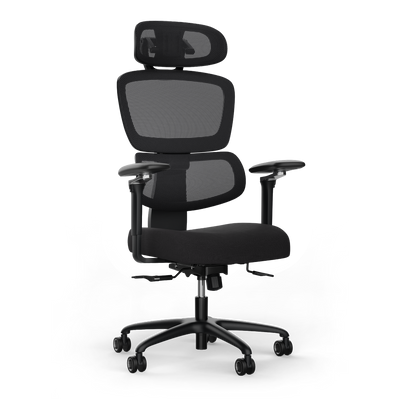
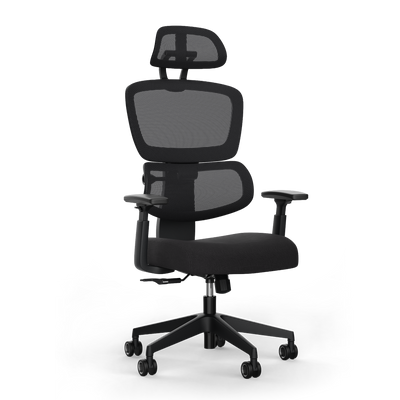
The best strategy against tension is to prevent it from occurring in the first place. An ergonomic workstation is the foundation for this. At Deskspace, you will find professional, height-adjustable desks and ergonomic chairs that sustainably relieve your back. Find the right solution for your office or home office.


