

What is Cervical Spine Syndrome and How You Can Treat It

Neck pain, a throbbing head, and sometimes dizziness are common complaints. The term Cervical Spine Syndrome (CSS) often comes up. But what exactly does it mean? Cervical Spine Syndrome is not a standalone disease. It is a collective term for various complaints originating from the cervical spine. The triggers are diverse, ranging from muscle tension to structural damage.
Understanding the Anatomy of the Cervical Spine
Your cervical spine (C-spine) supports the weight of your head and protects central nerve pathways. It is the complex system that connects the head and body. A CSS arises from a disturbance in this system.
The C-spine supports your head and enables its mobility. If this foundation is under constant tension, the effects can be far-reaching. A small problem in the neck often has consequences for other areas of the body.

The Building Blocks of the Cervical Spine
To understand CSS, knowledge of the three main components is important. Each plays a crucial role in the function of your neck.
- Seven cervical vertebrae (C1 to C7): These are the bony building blocks. They provide structure and protection. Poor posture, such as working at a screen for hours, unilaterally strains these vertebrae.
- Intervertebral discs: Between the vertebrae are the intervertebral discs. They act like flexible shock absorbers. In case of wear or injury, they lose their cushioning function. This increases pressure on the nerves.
- Nerve pathways: The spinal cord runs protected within the spinal canal. Nerves branch off from here, supplying the arms, shoulders, and parts of the head. If these nerves are constricted by tense muscles or a disc, radiating pain, tingling, or numbness can occur.
A CSS occurs when the interaction of these three components is disrupted. It is less a specific disease than the result of a functional disorder that manifests through various symptoms.
Understanding these connections is the first step to finding the causes of your complaints and taking targeted measures for relief and prevention.
Recognizing Typical Symptoms of Cervical Spine Syndrome
Cervical Spine Syndrome is more than just neck pain. The complaints can be varied, as the nerves of the cervical spine supply the head, shoulders, arms, and hands. It is important to correctly interpret the often subtle signals of the body.
The complaints can be divided into two categories: local symptoms, which occur directly in the neck, and radiating complaints, which manifest in other areas of the body. This distinction helps in identifying the cause.

Local Pain and Radiating Complaints
You feel the classic signs directly in your neck. These include sharp or dull pain, limited head movement, and stiff muscles. Many people wake up with a stiff feeling in the morning or feel tension in the shoulder and neck area after a long day at work.
Radiating symptoms are to be distinguished from these. They occur when a nerve root in the cervical spine area is irritated or pinched. The complaints spread along the nerve pathway:
- Pain in shoulders and arms: A pulling pain that can travel from the shoulder to the fingers.
- Headaches: Often a tension headache that pulls from the neck to the back of the head and up to the forehead.
- Dizziness and balance disorders: Impaired blood circulation or irritated nerves can trigger dizziness, especially with quick head movements.
Statistics show that about 67% of people experience neck pain at least once in their lives. About 15% to 20% suffer from chronic complaints. You can find out more about the background in the article on Cervical Spine Syndrome Symptoms and Treatment on osteoalsen.de.
When It Tingles: Neurological Warning Signs
Special caution is advised for neurological deficits. They are a clear indication that a nerve is not just irritated, but possibly already damaged. Such symptoms require medical clarification.
These warning signs include numbness or tingling in the arms, hands, or fingers. Sudden loss of strength is also a serious sign, for example, if you have difficulty holding a cup.
The following table summarizes the most common symptoms to help you better categorize your complaints.
Overview of Cervical Spine Syndrome Symptoms
This table categorizes the most common symptoms of CSS.
| Symptom Category | Examples of Complaints |
|---|---|
| Local Symptoms | Stiff neck, muscle hardening, restricted head movement, dull pain directly in the C-spine. |
| Radiating Symptoms | Pain in shoulder and arm, tension headaches, dizziness, tinnitus, visual disturbances. |
| Neurological Symptoms | Tingling or numbness in arms/hands, loss of strength, paralysis. |
The table shows how varied a CSS can manifest. Local complaints often indicate muscle tension. Radiating and neurological symptoms indicate that nerve structures are involved.
The Most Common Causes of Neck Pain
Neck pain usually results from a chain of factors that develop over a longer period. To solve the problem, you need to understand the cause. The triggers for CSS can be divided into two categories.
On one side are functional causes, which are related to your lifestyle and daily habits. On the other side are structural causes, which involve changes or damage to your cervical spine.
Functional and Everyday Causes
These are the most common triggers. They are often directly related to modern working life. These problems develop insidiously and lead to muscular imbalances and tension over weeks and months.
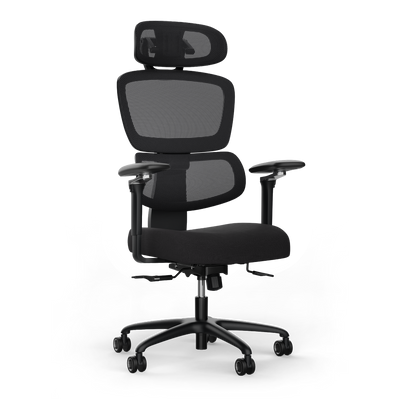
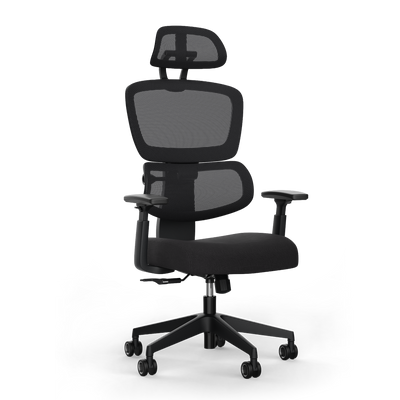
- Poor posture at work: Prolonged sitting with the head tilted forward, an incorrectly adjusted monitor, or an unsuitable office chair are common causes. Your head weighs about four to six kilograms. If you tilt it forward by just 15 degrees, forces of around 12 kilograms are already acting on your cervical spine.
- Stress and psychological strain: When stressed, many people unconsciously hunch their shoulders. Tension leads to increased muscle tension, especially in the shoulder and neck area. A persistent state can lead to muscle hardening, which presses on nerves.
- Lack of movement: Unilateral strain at the desk and too little compensatory activity weaken the supporting neck and back muscles.
- Drafts or wrong sleeping position: Sometimes even simple things like cold drafts or an unfavorable sleeping position lead to a stiff neck.
An often overlooked area is the jaw. Pain in the temporomandibular joint can radiate into the neck and cause symptoms similar to CSS. You can find more about this in the article on temporomandibular joint pain as a co-factor in neck problems.
Structural and Degenerative Changes
In addition to everyday habits, structural problems in the cervical spine can also cause pain. These are often age-related or the result of a previous injury.
Structural causes involve changes to the bone structure, intervertebral discs, or joints of the cervical spine. They are often the reason for chronic pain and require medical clarification.
Here are some of the most common structural problems:
- Herniated disc (Cervical disc prolapse): The soft core of an intervertebral disc protrudes from its casing. This core can press on a nerve root or the spinal cord, often leading to severe, radiating pain in the arms or hands.
- Degenerative changes (wear and tear): With age, intervertebral discs and vertebral joints wear down. This can lead to osteoarthritis in the vertebral joints (spondyloarthrosis) or bony outgrowths (spondylophytes) that narrow the space for nerve pathways.
- Whiplash: A rear-end collision is the most common cause. The sudden movement of the head hyperextends and hyperflexes the cervical spine. Ligaments and muscles are injured, which can cause long-lasting complaints.
Your lifestyle has a direct impact on the health of your neck. This also means that you can regain control through conscious changes and preventive measures.
How Cervical Spine Syndrome Is Diagnosed and Treated
If you suspect that there's more behind your neck pain, a doctor's visit is the right step. A clear diagnosis is the basis for effective treatment. The process usually follows a fixed pattern to find the cause.
It all begins with a detailed conversation, the anamnesis. Your doctor will ask about the location and occurrence of the pain and whether other symptoms such as tingling or dizziness are present. This is followed by a physical examination. During this, the mobility of your head, your reflexes, and the muscle strength in your arms and shoulders are checked.

From Examination to Targeted Therapy
The conversation and physical tests often already provide enough clues about the problem. Imaging procedures are only used if the doctor suspects a structural problem.
- X-rays reveal bony changes, such as osteoarthritis or a misalignment of the vertebrae.
- A Magnetic Resonance Imaging (MRI) provides detailed images of soft tissues like intervertebral discs and nerves. It is used when a herniated disc is suspected.
Once the diagnosis is made, an individual treatment plan is created. The goal is not only to alleviate the symptoms but also to address the cause.
The treatment strategy always depends on the cause. For muscular tension, conservative methods are prioritized. Structural damage sometimes requires more intensive measures.
Conservative Treatment Methods
Most cases of CSS can be well treated with conservative, non-surgical methods. The focus is on relieving pain, restoring mobility, and strengthening the supporting neck muscles.
- Physiotherapy and Manual Therapy: This is often the core of the treatment. Targeted exercises strengthen the neck muscles. Manual techniques release blockages and improve the mobility of the vertebral joints. What you can do yourself and what helps against neck tension, you can also find with us.
- Medication: To treat acute pain peaks, pain-relieving and anti-inflammatory medications may be useful temporarily. Muscle relaxants are sometimes used to break the cycle of pain and tension.
- Heat and cold applications: Heat loosens tense muscles and promotes blood circulation. Cold can help reduce swelling and dampen pain in acute inflammations.
The duration of treatment is individual. Acute complaints can often be relieved quickly. Chronic problems require a longer-term strategy. Your active cooperation through regular exercises and adjustments at the workplace is crucial for success.
How You Protect Yourself Through Workplace Ergonomics
You spend many hours a day at your workplace. Here you have the most control over your posture and the health of your neck. Ergonomics is one of the most effective strategies to prevent CSS.
With targeted adjustments, your desk becomes a support for your spine. The goal is to create an environment that promotes a neutral posture and avoids tension.

The Right Desk Height as a Foundation
Hours of rigid sitting force your body into an unnatural position. A height-adjustable desk helps to break this monotony. Regular alternation between sitting and standing activates different muscle groups and relieves the cervical spine.
When standing, your upper body straightens, which takes pressure off the intervertebral discs. Short periods of standing promote blood circulation and prevent the forward-bent "screen posture."
Proper Setup of Your Workplace
An ergonomic workplace is a system where chair, desk, monitor, and input devices are coordinated. Only this interaction ensures a healthy posture.
The following settings are the basis for a neck-friendly workplace:
- Monitor at eye level: The top line of your screen should be at or slightly below your horizontal line of sight. This keeps your head in a neutral position.
- Arms at a right angle: Adjust your chair height and armrests so that your forearms rest loosely on the tabletop or armrests. The angle between your upper and lower arm should be approximately 90 degrees. Your shoulders should hang loosely downwards.
- Keyboard and mouse close to the body: Position your keyboard and mouse so that you can operate them without outstretched arms. This prevents tension that can radiate from the wrists into the neck.
A detailed guide on how to set up your workplace ergonomically can be found in our guide.
Ergonomics means adapting the workplace to the person, not vice versa. Every small optimization reduces the daily strain on your cervical spine and prevents chronic complaints.
Movement Breaks and Stretching Exercises
Even the best ergonomic setup cannot compensate for rigid immobility. Short, regular movement breaks are essential to loosen muscles and promote blood circulation.
Simple exercises at your desk can do a lot. It's about targeted mobilization in between, not strenuous training.
Integrate these simple routines into your workday:
- Shoulder circles: Sit upright. Let your arms hang loosely. Slowly circle both shoulders 10 times backward and then 10 times forward.
- Side head tilt: Slowly tilt your head towards your right shoulder until you feel a gentle stretch on the left side of your neck. Hold the position for about 15 seconds and then switch sides.
- Look over your shoulder: Slowly turn your head to the right, as if looking over your shoulder. Hold the stretch for 15 seconds and repeat the exercise on the left side.
These small interruptions add up over the day and effectively counteract tension. With these strategies, you take your neck health into your own hands.
Effective Exercises and Self-Help for Neck Pain
In addition to an ergonomic workplace, you can do a lot yourself to alleviate your complaints and prevent future tension. Targeted exercises to loosen, stretch, and strengthen your neck muscles are your most powerful tool.
Listen to your body. For mild to moderate tension pain, the following exercises are very helpful. For acute, severe pain or neurological symptoms such as tingling in the arms, you should first seek medical advice.
Simple Exercises for Everyday Life
The following exercises are safe and require no aids. You can perform them several times a day at your desk to mobilize the muscles and promote blood circulation.
- Gentle head tilt: Sit upright. Slowly tilt your head towards your right shoulder until you feel a comfortable stretch on the left side of your neck. Hold this position for 20 seconds, breathing deeply and calmly. Then switch to the other side.
- Head rotation: Slowly turn your head to the right, as if you were looking over your shoulder. Hold the end position again for 20 seconds and repeat the exercise to the left side.
- Chin tuck exercise: Gently pull your chin straight back, without tilting your head down. This movement stretches the upper cervical spine and strengthens the deep neck muscles. Hold the tension for five seconds and repeat the exercise 10 times.
In our guide, you will find more effective neck exercises for neck pain that can be easily integrated into your daily routine.
The key to success is regularity. Better to exercise five minutes daily than an hour once a week. This way, you prevent tension from setting in.
Proven Self-Help Tips
In addition to the exercises, there are proven methods that can help relieve neck pain.
Heat is often very effective for muscular tension. A warm cherry stone pillow or a hot water bottle applied to the neck for 15 to 20 minutes can stimulate blood circulation and help hardened muscles relax.
Relaxation techniques are also important, as stress is a common trigger for muscle tension. Methods like progressive muscle relaxation or simple breathing exercises can help you reduce the overall tension level in your body. Besides targeted exercises, it is crucial for your long-term health to observe the fundamental principles of self-care.
Frequently Asked Questions About Cervical Spine Syndrome
Here you will find answers to the most common questions related to CSS.
Can Cervical Spine Syndrome become dangerous?
In most cases, CSS is harmless, as it is based on muscle tension. The situation is different if a herniated disc presses on the spinal cord.
Warning signs include serious neurological deficits such as paralysis or sudden, inexplicable loss of strength in the arms. If you notice such symptoms, immediate medical clarification is necessary.
How long does Cervical Spine Syndrome last?
The duration depends on the cause. Acute complaints due to simple tension can often disappear within a few days or weeks.
Chronic problems caused by degenerative changes such as osteoarthritis can last for months. Here, a consistent treatment plan and targeted prevention are crucial to positively influence the healing process.
Does cold or heat help with neck pain?
That depends on the cause of your pain. A simple rule helps in the decision:
- Heat is ideal for muscular tension and hardening. It promotes blood circulation and helps muscles relax.
- Cold should be used for acute inflammation or a fresh injury. It can help reduce swelling and dampen sharp pain in the first 48 hours.
If you are unsure, ask your doctor or physical therapist for advice.
An ergonomic workplace is your best defense against neck pain. Improve your posture sustainably and enhance your well-being with height-adjustable desks from Deskspace. Discover the ideal solution for you now.


