

Rib arch pain

Pain in the costal arch describes uncomfortable pain in the area of the lower rib cage – where the cartilaginous parts of the ribs meet. Many people experience stabbing pain or pressure there, which can occur particularly when breathing or when coughing. The causes are varied: From muscle tension to rib injuries to problems with internal organs, many things are possible. Fortunately, most costal arch pains are not dangerous and are easily treatable. In this article, you will learn about the possible causes of the pain, how to distinguish muscular from organic causes, and most importantly: What practical tips help when you feel a pull in your side.
Common Causes of Costal Arch Pain
Pain in the costal arch can have various triggers. Here are the most common causes of pain in this area:
-
Rib Injuries: A bruise or even a fracture of the rib due to a fall, accident, or blow can trigger severe pain. Typically, the discomfort is particularly noticeable during movement, deep inhalation, or coughing. Even severe coughing itself can promote a rib contusion or small muscle tears, which then in turn causes pain when coughing.
-
Muscle Tension and Poor Posture: Overexertion or poor posture (e.g., prolonged cramped sitting at a desk) can lead to tension in the intercostal muscles. This often results in pain in the area of the costal arch. In particular, one-sided loads or constantly bent sitting with shoulders pulled forward can tense the rib and chest muscles. The consequence is pulling or pressing pain, which is usually muscular in origin.
-
Chest Inflammations: An inflammation of the cartilage connections between the ribs and the sternum (costochondritis, e.g., Tietze's syndrome) can lead to localized, pressure-sensitive pain. Pleurisy (inflammation of the pleura) also often causes pain in the costal arch area, especially with every breath or cough.
-
Nerve Irritations (Intercostal Neuralgia): This is an irritated or trapped nerve between the ribs. Such neuralgias can trigger stabbing to knife-sharp pain, which is sometimes so severe that those affected initially think of an organic cause (such as heart problems). Typical for intercostal neuralgia is that the pain increases with certain movements or when pressing on the affected areas.
-
Internal Diseases (Organic Causes): Problems with nearby organs can cause pain in the costal arch. For example, gallbladder colic due to gallstones usually causes severe, cramping pain under the right costal arch. An inflammation of the gallbladder or liver diseases can also trigger pressure pain on the right. On the left side, spleen enlargement can cause pain. Lung diseases (such as pneumonia or pleurisy) typically lead to respiratory-dependent pain and are often accompanied by coughing, fever, and shortness of breath. Gastrointestinal problems (e.g., severe flatulence, gastritis) can manifest as upper abdominal pain extending into the costal arch.
-
Pregnancy: In the last trimester of pregnancy, many women complain of pain in the rib area. Due to the growth of the uterus and the shifting weight of the baby, upward pressure is created, often particularly on the right costal arch. This is usually unpleasant, but generally harmless. However, in cases of very severe pain during pregnancy – especially if other symptoms such as shortness of breath or nausea occur – a medical examination should be carried out to be safe.
Muscular or Organic? Recognizing the Difference
Precisely because the range of causes is wide, you should try to assess whether your costal arch pain is more muscular or organic in origin. A simple clue: Does the pain change when you change position or press on the spot? If yes, this suggests the musculoskeletal system – i.e., muscles, ribs, or nerves – as the source. In this case, a serious organic cause is unlikely. Classic example: Pain that only occurs with certain movements or when coughing usually comes from tension, strain, or injury in the rib area.
If, on the other hand, the pain is constantly present and hardly affected by changes in position, internal organs could be behind it. Also pay attention to accompanying symptoms: If nausea and a feeling of fullness also occur, the gallbladder or stomach, for example, could be the cause. With fever and severe coughing, an inflammation (such as pneumonia) is likely. If the pain radiates to the shoulder or arm and is accompanied by a feeling of tightness, the heart must be considered. Important: In case of doubt or unusually severe symptoms, you should always consult a doctor instead of self-diagnosing.
Pain when coughing or breathing
Many affected individuals notice pain in the costal arch particularly when coughing or breathing deeply. This is because coughing and breathing move the rib cage and strain the intercostal muscles and diaphragm. Pain that occurs when coughing, as mentioned above, usually indicates a problem in the musculoskeletal system, such as a bruised rib or muscle strain. Due to the jerky increase in pressure in the chest, even a small costal cartilage tear or irritated nerve can cause severe pain. If you have recently recovered from a severe cough (for example, due to the flu), your pain could also simply be due to muscle soreness of the respiratory muscles – this feels uncomfortable, but will improve in a few days.
Pain when breathing (especially during deep inhalation) similarly indicates that either the respiratory muscles or the pleura are irritated. If every breath triggers a stabbing pain, an irritation of the intercostal nerves or an inflammation of the pleura may be present. Check if you have less discomfort with shallower breathing. If you also experience shortness of breath (dyspnea) or develop a fever, seek medical attention early – it could be a more serious lung condition.
Practical Tips for Relief
The good news: Many pains in the costal arch can be relieved or avoided with simple measures. Here are some practical tips:
-
Rest and local cooling/warming: For acute injuries or inflammation, it often helps to rest the area first and apply cold therapy – e.g., apply an ice pack (wrapped in a cloth) for ~15 minutes several times a day. This can slow down inflammation and reduce acute pain. If it's more about muscle tension, many people find warmth more pleasant than cold (hot water bottle, warm bath, or warming ointment), as this relaxes tense muscles.
-
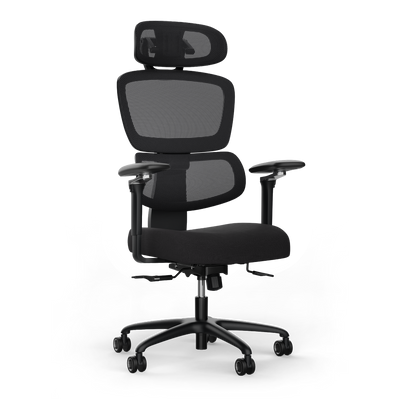
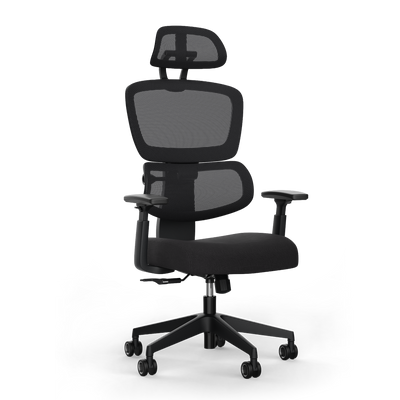
Healthy Posture and Ergonomic Workplace: An upright, relaxed body posture relieves the chest and prevents tension. Avoid staying in an unfavorable position for prolonged periods. Ergonomic aids – such as an height-adjustable desk and an ergonomic office chair – support you in adopting a healthy body posture and reduce muscle strain. Set up your workplace so that you can sit straight: The monitor should be at eye level, your forearms should rest at about a 90° angle on the table, and your shoulders should remain relaxed.
-
Movement and Stretching Exercises: Even if rest is important for acute pain, you should exercise regularly in the long term. Because lack of exercise and rigid sitting often lead to problems in the first place. So take short breaks more often in everyday life: Stand up, stretch, and breathe deeply. Light stretching exercises for the chest, rib area, and shoulders can loosen the muscles. Targeted training of the core and back muscles – after consulting a physiotherapist – helps to correct muscular imbalances. This way, you can effectively prevent future pain.
-
Targeted Use of Pain Relievers: For very severe pain, you can temporarily resort to over-the-counter pain relievers (such as ibuprofen or paracetamol) to cope better with everyday life. These medications have pain-relieving and often anti-inflammatory effects. However, it is important to use them only short-term and not to consider them a permanent solution. Read the package insert and consult a doctor if you are unsure.
-
Professional Help: If the pain does not improve or if tension is the trigger, do not hesitate to seek help. For example, physiotherapy can release blockages in the thoracic spine and rib area, stretch and strengthen the intercostal muscles, and show you exercises for at home. Massages or heat treatments in physiotherapy practice also help to treat muscular causes. If necessary, the doctor can also prescribe stronger pain relievers or – if an organic problem is suspected – initiate further diagnostic steps (ultrasound, X-ray, etc.).
Keep in mind that a combination of sufficient exercise, good posture, and, if necessary, local measures (cold/heat) usually has the best effect. With an ergonomic work environment, regular breaks, and a little mindfulness for your body, you can prevent many complaints in the rib and back area.
When to see a doctor?
Rib pain cannot always be managed alone. You should seek medical advice if:
-
the pain is very severe or does not improve despite rest,
-
the pain lasts longer than a few days or recurs repeatedly,
-
additional warning symptoms occur – for example, shortness of breath, high fever, severe cough with yellow-green sputum, nausea/vomiting, or a general strong feeling of illness,
-
you are unsure what the cause might be, or the symptoms simply seem unusual to you.
In such cases, it's better to see a doctor more often. Especially if severe pain is accompanied by symptoms such as shortness of breath, fever, or severe malaise, a medical examination is absolutely necessary. The doctor can rule out serious causes (such as heart problems, lung or gallbladder inflammation) or treat them specifically.
Conclusion: While costal arch pain can be unsettling, it is often muscular in origin and easily manageable. With an ergonomic posture in everyday life, some exercise, and the right measures, you can do a lot to prevent this pain from occurring in the first place – or to make it disappear soon. However, if it persists or worsens, do not hesitate to seek medical advice. Your health comes first!


