

Bring order to your basement for more space and utility

The basement is often the neglected space of a house. A storage room for everything that is in the way. But potential slumbers here. With a well-thought-out strategy, chaos turns into a valuable, functional space. This can be a quiet home office, a hobby workshop, or an organized storage area.
Why an organized basement is indispensable today
 A messy basement is more than an aesthetic problem. It costs valuable space and mental energy. Every item without a fixed place contributes to the chaos. This makes it difficult to quickly find what you're looking for.
The advantages of a structured basement
A tidy basement offers clear advantages that go beyond mere storage. You create space, open up new possibilities, and increase the value of your home.
- Gain additional usable space: An organized basement can become a fully functional room. Whether as an undisturbed office, fitness area, or workshop, the options are diverse.
- Protect your property: Clean and dry storage protects tools, seasonal decorations, and memories from dust, moisture, and pests.
- Be more efficient in everyday life: If everything has its fixed place, searching is a thing of the past. You'll find what you need instantly and put it away quickly.
The desire for a better-utilized basement is a growing trend. For 2026, around 1.09 million people in Germany plan to expand or convert their basements. This trend is also reinforced by the increase in home offices. Over 25% now work from home. A productive work environment is crucial here and can increase one's performance by up to 20%. You can read more about the current renovation plans in Germany on statista.com.
An organized basement is the foundation for new possibilities. It transforms a storage room into an active and valuable part of your home.
The main cause of chaos in the basement is usually the lack of a clear system. Things are stored wherever there is space. Over the years, confusing piles accumulate. A strategic approach to organization in the basement is the first step to a lasting solution. This guide provides you with a clear structure to systematically organize your basement.
Creating a solid foundation through proper planning

Every successful project begins with a clear plan. Those who start without a concept quickly get lost in chaos and create more work than necessary. A well-thought-out plan is the key to lasting order in the basement.
The first step is to define a clear goal. What do you want to do with the newly gained space? A pure storage room has different requirements than a workshop corner or an office.
Your vision for the basement determines every subsequent decision. Define the main function of the room before you touch a single item. Only then can you ensure that the result meets your needs.
Define goals and divide into zones
Once you know your goal, it's time for the layout. Divide your basement mentally or on a plan into logical zones. This helps to maintain an overview and assign a fixed place to everything.
- "Storage" zone: This is where things you rarely need go. These include seasonal items like Christmas decorations, kitchen appliances, or memory boxes.
- "Workshop" zone: An area for tools, screws, and DIY projects. A sturdy workbench is ideal here.
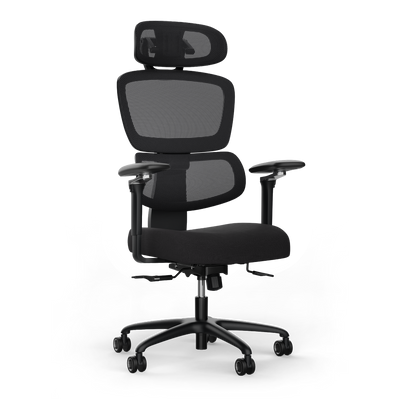
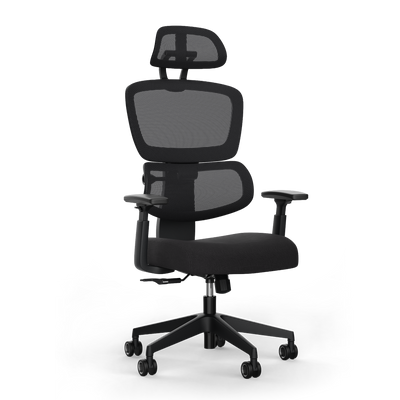
- "Home office" zone: If you want to set up a workspace, plan enough space for a desk, chair, and office supplies. Clever planning is important. You can read more about setting up in our guide on office furniture for small spaces.
- "Hobby/Sport" zone: A fixed place for your sports equipment, musical instruments, or other leisure activities.
You don't have to build walls for this. Colored markings on the floor or the strategic placement of shelves are often sufficient to delineate areas.
Plan materials and time realistically
With the zone plan, you can create a list of everything you need for your project. Good preparation saves you trips to the hardware store and interruptions.
Prepare tools and materials before you start. Our checklist gives you an overview of what you'll likely need.
Checklist of required materials
| Category | Required Material | Purpose |
|---|---|---|
| Decluttering | Sturdy trash bags, reusable bags, gloves | For separating trash, donations, and sale items. |
| Cleaning | Broom, vacuum cleaner, bucket, all-purpose cleaner, mold remover | For a thorough basic cleaning after decluttering. |
| Labeling | Waterproof pens, label maker, chalk film | For clear and permanent labeling of boxes and shelves. |
| Storage | Sturdy and transparent boxes, shelving systems | For safe and organized storage of your items. |
With this list, you are well-prepared and can concentrate on the project.
Set realistic timeframes. Transforming an entire basement in one weekend is difficult. Break the project down into small stages. Block out fixed times in your calendar. This could be two hours in the evening or half a day on the weekend. This way, you stay motivated.
Systematically decluttering and reclaiming space

The plan is set. Now comes the crucial part for order in the basement: consistent decluttering. This step creates physical space and mental clarity. Every item you part with is a conscious decision for more overview.
A tidy basement only comes about through thorough decluttering. The goal is to end up owning only what you really need, what is important to you, or what has a purpose. Everything else is ballast.
Applying the proven 4-box method
The 4-box method helps to keep an overview when decluttering. Prepare four large boxes or mark four free areas on the floor. Everything you pick up, you immediately assign to one of these categories.
- Keep: Everything you use regularly, has sentimental value, or you need for your new basement zones goes here.
- Sell/Donate: Items that are still good but superfluous to you.
- Dispose: Broken, unusable items or trash.
- Uncertain: This is where everything you're unsure about goes. You'll decide on this box later, at your leisure.
Always tackle only a small area and work your way through it bit by bit. This prevents overwhelm.
The key to success is the conscious evaluation of each item. Be honest with yourself. Letting go of unused things is an investment in your future order.
Specific questions for clear decisions
Sometimes a decision is difficult. A few critical questions help to separate emotional baggage from useful things.
- Have I used this in the last 12 months?
- Do I really still need it or do I have a replacement?
- Would I buy this again today?
- Does the item fit my life and my plans for the basement?
A well-sorted basement also pays off when moving. Those who systematically declutter can reduce moving costs.
Proper disposal of hazardous waste
Not everything from the "Dispose" box can go into household waste. Caution is advised with certain items to protect the environment and avoid penalties. Check your box for these materials:
- Old paints and varnishes: Often contain solvents and belong to the recycling center or a hazardous waste collection.
- Batteries and accumulators: Must be collected separately. Collection boxes can be found in supermarkets or at the recycling center.
- Electronic waste: Old cables, defective electrical appliances, or computer accessories do not belong in household waste.
- Chemicals: Opened bottles of cleaners, fertilizer residues, or antifreeze are considered hazardous waste.
Find out from your local authority where you can dispose of these items correctly. This step is part of a responsible completion of your project.
Finding the right storage systems for your basement

After decluttering, you build the new order. The right storage systems are crucial for this. With suitable shelves and boxes, you transform chaotic corners into a system where everything has its place.
Sturdy shelves are the basis for every tidy basement. They make optimal use of the room height and keep the floor clear. This makes cleaning easier and protects your belongings from ground moisture.
Choosing the right shelves
Not every shelf is suitable for the basement. The often higher humidity can lead to rust or unstable shelves. A comparison of the most common types helps with the choice.
Comparison of shelving systems for the basement
A direct comparison of shelf types helps with the selection.
| Shelf type | Advantages | Disadvantages | Ideal for |
|---|---|---|---|
| Heavy-duty shelves (metal) | Very high load capacity, robust, durable, often rust-protected | Functional appearance, assembly can be strenuous | Tools, heavy boxes, car tires, paint cans |
| Modular systems (plastic/metal) | Flexibly expandable, lightweight, easy assembly | Lower load capacity, less stable at full height | Lighter items, clothing, decorative items, toys |
| Wall mounts & rails | Maximum floor utilization, perfect for bulky items | Requires sturdy walls, fixed mounting, less flexible | Bicycles, garden tools, ladders, winter sports equipment |
For the basement, heavy-duty metal shelves are often the best solution. Pay attention to a sufficient load capacity per shelf of at least 50 kg and a rust-resistant surface. This way, the shelf safely supports heavy boxes and withstands the basement climate.
Invest in quality, especially for the shelves. A stable, anchored system prevents accidents and protects your property. A wobbly construction is a safety risk and leads to chaos again.
Using boxes and containers for clarity
The shelves are set up. Now for the details. Transparent, stackable boxes with lids are the best choice for grouping and storing your belongings.
Unlike moving boxes, they have two advantages:
- You see immediately what's inside. The searching and rummaging are over.
- They protect against dust and moisture. A firm lid keeps the contents clean and dry. Cardboard boxes attract moisture and can mold.
Such boxes are ideal for rarely used office supplies like archive folders. Seasonal equipment is also well stored in them. A good system not only protects your items but also creates mental clarity. Similar principles also apply in the workplace, as you can read in our guide on organization systems for the desk.
Avoid placing small items loosely on the shelf. Such things get lost and quickly lead to clutter again. Instead, use smaller containers or dividers in the large boxes to sort cables or screws. This way, order in the basement is maintained.
Protecting your basement from moisture and pests
Order is good. But what good is the best system if moisture and pests destroy your property? A dry, safe basement is the foundation for lasting order. A damp basement not only ruins items but can also endanger your health through mold.
Signs of excessive humidity are often a musty smell, condensation on pipes, or damp walls. Also look for mildew stains on stored cardboard boxes and textiles.
The worst-case scenario is water damage. It's good to know what to do in case of water damage so you can react quickly and correctly.
Effective measures against moisture
There are several measures to reduce humidity in the basement. Proper ventilation is essential.
- Ventilate correctly: Shock ventilation is effective. Open the basement windows completely for 10 to 15 minutes. This ensures a quick air exchange without the walls cooling down. Cool, dry days are ideal for this.
- Use dehumidifiers: Electric dehumidifiers actively draw moisture from the air. They keep the indoor climate consistently below 60% relative humidity.
- Create floor clearance: Do not store anything directly on the basement floor. Use shelves or pallets so that air can circulate. This protects against standing water and mold.
An important principle: warm, humid summer air should stay outside. In summer, it's best to ventilate only during the cool morning or evening hours.
Consistently keep pests away
A tidy, dry basement is less attractive to mice, spiders, or moths. Pests look for food, hiding places, and nesting sites. With a few simple rules, you make it difficult for them.
The most important rule is: never store open food in the basement. This also applies to pet food or seeds. If you must store such items in the basement, use only tightly sealed containers made of metal or hard plastic.
Pest prevention checklist
- Seal cracks and holes: Inspect walls and floors for small openings. Seal such places with filler or construction foam.
- Use airtight boxes: Sensitive items like clothes or documents belong in airtight plastic boxes. These protect against moisture and pests.
- Check regularly: Every few months, take a look behind the shelves and into the corners. This way, you'll discover signs of pests early on.
With these measures, you create a safe environment for your belongings.
Lasting order in the basement? This is how it works with a system
A tidy basement feels good. The art is to maintain this state. Two things are crucial for this: clear labeling and a simple maintenance plan.
A good system ensures that everyone finds things quickly and puts them back in the right place after use. Without clear labeling, every shelf becomes cluttered again.
Labeling that really works
There are various methods to ensure clarity. Choose the method that is most practical for you.
- The classic: labels and pen. Simple, quick, and effective. Use sturdy adhesive labels and a waterproof pen.
- For pros: The label maker. Printed labels look neat and are often more durable than handwriting.
- The flexible solution: chalk film or erasable labels. Perfect if the content of a box changes often, for example, with seasonal decorations.
- For tech fans: QR codes. You create a digital list of the contents, generate a QR code, and stick it on the box. A scan with your phone shows you what's inside without opening the box.
My tip: A good labeling system is self-explanatory. Everyone in the household should be able to understand and use it immediately.
The principles of clarity not only help in the basement. A clear system also increases efficiency in the workplace. Learn more about order at the desk in our relevant guide.
A simple maintenance plan that pays off
Order is a habit, not a one-time project. A small maintenance plan helps to keep track without constantly having to start major tidying campaigns.
Schedule fixed dates in your calendar, for example, every six months. On this day, take 30 minutes and go through your basement. Briefly check the following points:
- Is everything in its designated place?
- Are all boxes still correctly and legibly labeled?
- Have new items accumulated that do not yet have a place?
This short routine prevents chaos from creeping back in. This way, your basement remains a usable space in the long term.
Decluttering the basement: Your most frequent questions
Similar questions often arise during basement projects. Here are the most common pitfalls and practical answers to keep you motivated.
What do I do with things I can't part with?
For cherished items like old photos or heirlooms, there's the "memory box".
Choose a sturdy, sealable box. This is where everything with sentimental value, but no practical use, goes. Consciously limit yourself to this one box. This creates a clear distinction between valuable memories and things that take up space.
For everything else, there's the "maybe box". Put all undecided items in it, write today's date plus six months on it, and put it out of sight. If you haven't opened the box by then, the contents can go. This gives you time to think without blocking your project.
What is the best order for tidying up?
A clear strategy is important to avoid losing track.
This sequence has proven effective:
- Plan: First, roughly determine which areas in the basement will serve which purpose.
- Equip: Have everything ready: trash bags, boxes, cleaning supplies, and gloves.
- Sort out: Systematically work your way from one corner to the next.
- Clean: Do a thorough cleaning once the surfaces are empty.
- Set up: Assemble the shelves and store the sorted items in labeled boxes.
My tip: Always work in a small, delimited area. Only when one section is completely finished do you move on to the next. This way, you quickly see successes and avoid chaos.
How often should I tidy the basement?
Once the basic order is established, large-scale actions are no longer necessary. The key is a small, regular routine.
Schedule a fixed appointment of about 30 minutes every six months. During this time, check if everything is still in its place, dispose of anything new that has accumulated, and return items that have ended up in the wrong spot.
This quick check prevents clutter from creeping back in. This way, you don't have to start all over again in a year or two.
With the right strategy, your basement transforms from a junk room into a valuable and usable part of your home. A tidy environment increases satisfaction and can boost productivity if you integrate a workspace. DESKSPACE supports you in creating ergonomic and tidy workspaces. Discover our solutions for healthy and efficient work at https://deskspace.de.


