{"variants":[{"id":47311584723287,"name":null,"title":"None \/ Black \/ Frame Only","option1":"None","option2":"Black","option3":"Frame Only","available":true,"inventory_policy":"continue","inventory_quantity":19,"limited_pre_order":false,"negative_stock_count":null,"price":215900,"compare_at_price":289900,"_karla_estimated_ship_date_start":null,"_karla_estimated_ship_date_end":null,"_container_id":null},{"id":47311584887127,"name":null,"title":"None \/ White \/ Frame Only","option1":"None","option2":"White","option3":"Frame Only","available":true,"inventory_policy":"continue","inventory_quantity":142,"limited_pre_order":false,"negative_stock_count":null,"price":215900,"compare_at_price":289900,"_karla_estimated_ship_date_start":null,"_karla_estimated_ship_date_end":null,"_container_id":null},{"id":50541195592023,"name":null,"title":"None \/ Grey \/ Frame Only","option1":"None","option2":"Grey","option3":"Frame Only","available":true,"inventory_policy":"continue","inventory_quantity":18,"limited_pre_order":false,"negative_stock_count":null,"price":215900,"compare_at_price":289900,"_karla_estimated_ship_date_start":null,"_karla_estimated_ship_date_end":null,"_container_id":null},{"id":40677505171499,"name":null,"title":"Black \/ Black \/ 120 x 60 cm","option1":"Black","option2":"Black","option3":"120 x 60 cm","available":true,"inventory_policy":"continue","inventory_quantity":19,"limited_pre_order":false,"negative_stock_count":null,"price":280900,"compare_at_price":370900,"_karla_estimated_ship_date_start":null,"_karla_estimated_ship_date_end":null,"_container_id":null},{"id":40265028468779,"name":null,"title":"Black \/ Black \/ 140 x 70 cm","option1":"Black","option2":"Black","option3":"140 x 70 cm","available":true,"inventory_policy":"continue","inventory_quantity":19,"limited_pre_order":false,"negative_stock_count":null,"price":337900,"compare_at_price":442900,"_karla_estimated_ship_date_start":null,"_karla_estimated_ship_date_end":null,"_container_id":null},{"id":40265028501547,"name":null,"title":"Black \/ Black \/ 160 x 80 cm","option1":"Black","option2":"Black","option3":"160 x 80 cm","available":true,"inventory_policy":"continue","inventory_quantity":19,"limited_pre_order":false,"negative_stock_count":null,"price":361900,"compare_at_price":480900,"_karla_estimated_ship_date_start":null,"_karla_estimated_ship_date_end":null,"_container_id":null},{"id":47245598064983,"name":null,"title":"Black \/ Black \/ 180 x 80 cm","option1":"Black","option2":"Black","option3":"180 x 80 cm","available":true,"inventory_policy":"continue","inventory_quantity":19,"limited_pre_order":false,"negative_stock_count":null,"price":398900,"compare_at_price":525900,"_karla_estimated_ship_date_start":null,"_karla_estimated_ship_date_end":null,"_container_id":null},{"id":50541195690327,"name":null,"title":"Black \/ Black \/ 200 x 80 cm","option1":"Black","option2":"Black","option3":"200 x 80 cm","available":true,"inventory_policy":"continue","inventory_quantity":19,"limited_pre_order":false,"negative_stock_count":null,"price":408900,"compare_at_price":543900,"_karla_estimated_ship_date_start":null,"_karla_estimated_ship_date_end":null,"_container_id":null},{"id":40677505204267,"name":null,"title":"Black \/ White \/ 120 x 60 cm","option1":"Black","option2":"White","option3":"120 x 60 cm","available":true,"inventory_policy":"continue","inventory_quantity":93,"limited_pre_order":false,"negative_stock_count":null,"price":280900,"compare_at_price":370900,"_karla_estimated_ship_date_start":null,"_karla_estimated_ship_date_end":null,"_container_id":null},{"id":40265028534315,"name":null,"title":"Black \/ White \/ 140 x 70 cm","option1":"Black","option2":"White","option3":"140 x 70 cm","available":true,"inventory_policy":"continue","inventory_quantity":142,"limited_pre_order":false,"negative_stock_count":null,"price":337900,"compare_at_price":442900,"_karla_estimated_ship_date_start":null,"_karla_estimated_ship_date_end":null,"_container_id":null},{"id":40265028567083,"name":null,"title":"Black \/ White \/ 160 x 80 cm","option1":"Black","option2":"White","option3":"160 x 80 cm","available":true,"inventory_policy":"continue","inventory_quantity":118,"limited_pre_order":false,"negative_stock_count":null,"price":361900,"compare_at_price":480900,"_karla_estimated_ship_date_start":null,"_karla_estimated_ship_date_end":null,"_container_id":"ler25019-c2"},{"id":47245598097751,"name":null,"title":"Black \/ White \/ 180 x 80 cm","option1":"Black","option2":"White","option3":"180 x 80 cm","available":true,"inventory_policy":"continue","inventory_quantity":106,"limited_pre_order":false,"negative_stock_count":null,"price":398900,"compare_at_price":525900,"_karla_estimated_ship_date_start":null,"_karla_estimated_ship_date_end":null,"_container_id":null},{"id":50541195723095,"name":null,"title":"Black \/ White \/ 200 x 80 cm","option1":"Black","option2":"White","option3":"200 x 80 cm","available":true,"inventory_policy":"continue","inventory_quantity":49,"limited_pre_order":false,"negative_stock_count":null,"price":408900,"compare_at_price":543900,"_karla_estimated_ship_date_start":null,"_karla_estimated_ship_date_end":null,"_container_id":null},{"id":50541195755863,"name":null,"title":"Black \/ Grey \/ 120 x 60 cm","option1":"Black","option2":"Grey","option3":"120 x 60 cm","available":true,"inventory_policy":"continue","inventory_quantity":18,"limited_pre_order":false,"negative_stock_count":null,"price":280900,"compare_at_price":370900,"_karla_estimated_ship_date_start":null,"_karla_estimated_ship_date_end":null,"_container_id":null},{"id":50541195854167,"name":null,"title":"Black \/ Grey \/ 140 x 70 cm","option1":"Black","option2":"Grey","option3":"140 x 70 cm","available":true,"inventory_policy":"continue","inventory_quantity":18,"limited_pre_order":false,"negative_stock_count":null,"price":337900,"compare_at_price":442900,"_karla_estimated_ship_date_start":null,"_karla_estimated_ship_date_end":null,"_container_id":null},{"id":50541195886935,"name":null,"title":"Black \/ Grey \/ 160 x 80 cm","option1":"Black","option2":"Grey","option3":"160 x 80 cm","available":true,"inventory_policy":"continue","inventory_quantity":18,"limited_pre_order":false,"negative_stock_count":null,"price":361900,"compare_at_price":480900,"_karla_estimated_ship_date_start":null,"_karla_estimated_ship_date_end":null,"_container_id":null},{"id":50541195919703,"name":null,"title":"Black \/ Grey \/ 180 x 80 cm","option1":"Black","option2":"Grey","option3":"180 x 80 cm","available":true,"inventory_policy":"continue","inventory_quantity":18,"limited_pre_order":false,"negative_stock_count":null,"price":398900,"compare_at_price":525900,"_karla_estimated_ship_date_start":null,"_karla_estimated_ship_date_end":null,"_container_id":null},{"id":50541195952471,"name":null,"title":"Black \/ Grey \/ 200 x 80 cm","option1":"Black","option2":"Grey","option3":"200 x 80 cm","available":true,"inventory_policy":"continue","inventory_quantity":18,"limited_pre_order":false,"negative_stock_count":null,"price":408900,"compare_at_price":543900,"_karla_estimated_ship_date_start":null,"_karla_estimated_ship_date_end":null,"_container_id":"ler25019-c2"},{"id":40677505302571,"name":null,"title":"Walnut \/ Black \/ 120 x 60 cm","option1":"Walnut","option2":"Black","option3":"120 x 60 cm","available":true,"inventory_policy":"continue","inventory_quantity":0,"limited_pre_order":false,"negative_stock_count":null,"price":280900,"compare_at_price":370900,"_karla_estimated_ship_date_start":null,"_karla_estimated_ship_date_end":null,"_container_id":null},{"id":40265028763691,"name":null,"title":"Walnut \/ Black \/ 140 x 70 cm","option1":"Walnut","option2":"Black","option3":"140 x 70 cm","available":true,"inventory_policy":"continue","inventory_quantity":19,"limited_pre_order":false,"negative_stock_count":null,"price":337900,"compare_at_price":442900,"_karla_estimated_ship_date_start":null,"_karla_estimated_ship_date_end":null,"_container_id":null},{"id":40583409401899,"name":null,"title":"Walnut \/ Black \/ 160 x 80 cm","option1":"Walnut","option2":"Black","option3":"160 x 80 cm","available":true,"inventory_policy":"continue","inventory_quantity":19,"limited_pre_order":false,"negative_stock_count":null,"price":361900,"compare_at_price":480900,"_karla_estimated_ship_date_start":null,"_karla_estimated_ship_date_end":null,"_container_id":null},{"id":47245598130519,"name":null,"title":"Walnut \/ Black \/ 180 x 80 cm","option1":"Walnut","option2":"Black","option3":"180 x 80 cm","available":true,"inventory_policy":"continue","inventory_quantity":19,"limited_pre_order":false,"negative_stock_count":null,"price":398900,"compare_at_price":525900,"_karla_estimated_ship_date_start":null,"_karla_estimated_ship_date_end":null,"_container_id":"ler25019-c2"},{"id":50541195985239,"name":null,"title":"Walnut \/ Black \/ 200 x 80 cm","option1":"Walnut","option2":"Black","option3":"200 x 80 cm","available":true,"inventory_policy":"continue","inventory_quantity":19,"limited_pre_order":false,"negative_stock_count":null,"price":408900,"compare_at_price":543900,"_karla_estimated_ship_date_start":null,"_karla_estimated_ship_date_end":null,"_container_id":null},{"id":40677505335339,"name":null,"title":"Walnut \/ White \/ 120 x 60 cm","option1":"Walnut","option2":"White","option3":"120 x 60 cm","available":true,"inventory_policy":"continue","inventory_quantity":0,"limited_pre_order":false,"negative_stock_count":null,"price":280900,"compare_at_price":370900,"_karla_estimated_ship_date_start":null,"_karla_estimated_ship_date_end":null,"_container_id":null},{"id":40265028829227,"name":null,"title":"Walnut \/ White \/ 140 x 70 cm","option1":"Walnut","option2":"White","option3":"140 x 70 cm","available":true,"inventory_policy":"continue","inventory_quantity":116,"limited_pre_order":false,"negative_stock_count":null,"price":337900,"compare_at_price":442900,"_karla_estimated_ship_date_start":null,"_karla_estimated_ship_date_end":null,"_container_id":null},{"id":40583410122795,"name":null,"title":"Walnut \/ White \/ 160 x 80 cm","option1":"Walnut","option2":"White","option3":"160 x 80 cm","available":true,"inventory_policy":"continue","inventory_quantity":50,"limited_pre_order":false,"negative_stock_count":null,"price":361900,"compare_at_price":480900,"_karla_estimated_ship_date_start":null,"_karla_estimated_ship_date_end":null,"_container_id":null},{"id":47245598163287,"name":null,"title":"Walnut \/ White \/ 180 x 80 cm","option1":"Walnut","option2":"White","option3":"180 x 80 cm","available":true,"inventory_policy":"continue","inventory_quantity":57,"limited_pre_order":false,"negative_stock_count":null,"price":398900,"compare_at_price":525900,"_karla_estimated_ship_date_start":null,"_karla_estimated_ship_date_end":null,"_container_id":"ler25019-c2"},{"id":50541196018007,"name":null,"title":"Walnut \/ White \/ 200 x 80 cm","option1":"Walnut","option2":"White","option3":"200 x 80 cm","available":true,"inventory_policy":"continue","inventory_quantity":38,"limited_pre_order":false,"negative_stock_count":null,"price":408900,"compare_at_price":543900,"_karla_estimated_ship_date_start":null,"_karla_estimated_ship_date_end":null,"_container_id":null},{"id":50541196050775,"name":null,"title":"Walnut \/ Grey \/ 120 x 60 cm","option1":"Walnut","option2":"Grey","option3":"120 x 60 cm","available":true,"inventory_policy":"continue","inventory_quantity":0,"limited_pre_order":false,"negative_stock_count":null,"price":280900,"compare_at_price":370900,"_karla_estimated_ship_date_start":null,"_karla_estimated_ship_date_end":null,"_container_id":null},{"id":50541196149079,"name":null,"title":"Walnut \/ Grey \/ 140 x 70 cm","option1":"Walnut","option2":"Grey","option3":"140 x 70 cm","available":true,"inventory_policy":"continue","inventory_quantity":18,"limited_pre_order":false,"negative_stock_count":null,"price":337900,"compare_at_price":442900,"_karla_estimated_ship_date_start":null,"_karla_estimated_ship_date_end":null,"_container_id":null},{"id":50541196181847,"name":null,"title":"Walnut \/ Grey \/ 160 x 80 cm","option1":"Walnut","option2":"Grey","option3":"160 x 80 cm","available":true,"inventory_policy":"continue","inventory_quantity":18,"limited_pre_order":false,"negative_stock_count":null,"price":361900,"compare_at_price":480900,"_karla_estimated_ship_date_start":null,"_karla_estimated_ship_date_end":null,"_container_id":null},{"id":50541196214615,"name":null,"title":"Walnut \/ Grey \/ 180 x 80 cm","option1":"Walnut","option2":"Grey","option3":"180 x 80 cm","available":true,"inventory_policy":"continue","inventory_quantity":18,"limited_pre_order":false,"negative_stock_count":null,"price":398900,"compare_at_price":525900,"_karla_estimated_ship_date_start":null,"_karla_estimated_ship_date_end":null,"_container_id":"ler25019-c2"},{"id":50541196312919,"name":null,"title":"Walnut \/ Grey \/ 200 x 80 cm","option1":"Walnut","option2":"Grey","option3":"200 x 80 cm","available":true,"inventory_policy":"continue","inventory_quantity":18,"limited_pre_order":false,"negative_stock_count":null,"price":408900,"compare_at_price":543900,"_karla_estimated_ship_date_start":null,"_karla_estimated_ship_date_end":null,"_container_id":null},{"id":40677505237035,"name":null,"title":"White \/ Black \/ 120 x 60 cm","option1":"White","option2":"Black","option3":"120 x 60 cm","available":true,"inventory_policy":"continue","inventory_quantity":9,"limited_pre_order":false,"negative_stock_count":null,"price":280900,"compare_at_price":370900,"_karla_estimated_ship_date_start":null,"_karla_estimated_ship_date_end":null,"_container_id":null},{"id":40265028599851,"name":null,"title":"White \/ Black \/ 140 x 70 cm","option1":"White","option2":"Black","option3":"140 x 70 cm","available":true,"inventory_policy":"continue","inventory_quantity":19,"limited_pre_order":false,"negative_stock_count":null,"price":337900,"compare_at_price":442900,"_karla_estimated_ship_date_start":null,"_karla_estimated_ship_date_end":null,"_container_id":null},{"id":40265028632619,"name":null,"title":"White \/ Black \/ 160 x 80 cm","option1":"White","option2":"Black","option3":"160 x 80 cm","available":true,"inventory_policy":"continue","inventory_quantity":14,"limited_pre_order":false,"negative_stock_count":null,"price":361900,"compare_at_price":480900,"_karla_estimated_ship_date_start":null,"_karla_estimated_ship_date_end":null,"_container_id":null},{"id":47245598196055,"name":null,"title":"White \/ Black \/ 180 x 80 cm","option1":"White","option2":"Black","option3":"180 x 80 cm","available":true,"inventory_policy":"continue","inventory_quantity":19,"limited_pre_order":false,"negative_stock_count":null,"price":398900,"compare_at_price":525900,"_karla_estimated_ship_date_start":null,"_karla_estimated_ship_date_end":null,"_container_id":null},{"id":50541196345687,"name":null,"title":"White \/ Black \/ 200 x 80 cm","option1":"White","option2":"Black","option3":"200 x 80 cm","available":true,"inventory_policy":"continue","inventory_quantity":19,"limited_pre_order":false,"negative_stock_count":null,"price":408900,"compare_at_price":543900,"_karla_estimated_ship_date_start":null,"_karla_estimated_ship_date_end":null,"_container_id":null},{"id":40677505269803,"name":null,"title":"White \/ White \/ 120 x 60 cm","option1":"White","option2":"White","option3":"120 x 60 cm","available":true,"inventory_policy":"continue","inventory_quantity":9,"limited_pre_order":false,"negative_stock_count":null,"price":280900,"compare_at_price":370900,"_karla_estimated_ship_date_start":null,"_karla_estimated_ship_date_end":null,"_container_id":null},{"id":40265028665387,"name":null,"title":"White \/ White \/ 140 x 70 cm","option1":"White","option2":"White","option3":"140 x 70 cm","available":true,"inventory_policy":"continue","inventory_quantity":62,"limited_pre_order":false,"negative_stock_count":null,"price":337900,"compare_at_price":442900,"_karla_estimated_ship_date_start":null,"_karla_estimated_ship_date_end":null,"_container_id":null},{"id":40265028730923,"name":null,"title":"White \/ White \/ 160 x 80 cm","option1":"White","option2":"White","option3":"160 x 80 cm","available":true,"inventory_policy":"continue","inventory_quantity":14,"limited_pre_order":false,"negative_stock_count":null,"price":361900,"compare_at_price":480900,"_karla_estimated_ship_date_start":null,"_karla_estimated_ship_date_end":null,"_container_id":null},{"id":47245598228823,"name":null,"title":"White \/ White \/ 180 x 80 cm","option1":"White","option2":"White","option3":"180 x 80 cm","available":true,"inventory_policy":"continue","inventory_quantity":89,"limited_pre_order":false,"negative_stock_count":null,"price":398900,"compare_at_price":525900,"_karla_estimated_ship_date_start":null,"_karla_estimated_ship_date_end":null,"_container_id":null},{"id":50541196378455,"name":null,"title":"White \/ White \/ 200 x 80 cm","option1":"White","option2":"White","option3":"200 x 80 cm","available":true,"inventory_policy":"continue","inventory_quantity":42,"limited_pre_order":false,"negative_stock_count":null,"price":408900,"compare_at_price":543900,"_karla_estimated_ship_date_start":null,"_karla_estimated_ship_date_end":null,"_container_id":null},{"id":50541196411223,"name":null,"title":"White \/ Grey \/ 120 x 60 cm","option1":"White","option2":"Grey","option3":"120 x 60 cm","available":true,"inventory_policy":"continue","inventory_quantity":9,"limited_pre_order":false,"negative_stock_count":null,"price":280900,"compare_at_price":370900,"_karla_estimated_ship_date_start":null,"_karla_estimated_ship_date_end":null,"_container_id":null},{"id":50541196443991,"name":null,"title":"White \/ Grey \/ 140 x 70 cm","option1":"White","option2":"Grey","option3":"140 x 70 cm","available":true,"inventory_policy":"continue","inventory_quantity":18,"limited_pre_order":false,"negative_stock_count":null,"price":337900,"compare_at_price":442900,"_karla_estimated_ship_date_start":null,"_karla_estimated_ship_date_end":null,"_container_id":null},{"id":50541196476759,"name":null,"title":"White \/ Grey \/ 160 x 80 cm","option1":"White","option2":"Grey","option3":"160 x 80 cm","available":true,"inventory_policy":"continue","inventory_quantity":14,"limited_pre_order":false,"negative_stock_count":null,"price":361900,"compare_at_price":480900,"_karla_estimated_ship_date_start":null,"_karla_estimated_ship_date_end":null,"_container_id":"ler25019-c2"},{"id":50541196509527,"name":null,"title":"White \/ Grey \/ 180 x 80 cm","option1":"White","option2":"Grey","option3":"180 x 80 cm","available":true,"inventory_policy":"continue","inventory_quantity":18,"limited_pre_order":false,"negative_stock_count":null,"price":398900,"compare_at_price":525900,"_karla_estimated_ship_date_start":null,"_karla_estimated_ship_date_end":null,"_container_id":null},{"id":50541196542295,"name":null,"title":"White \/ Grey \/ 200 x 80 cm","option1":"White","option2":"Grey","option3":"200 x 80 cm","available":true,"inventory_policy":"continue","inventory_quantity":18,"limited_pre_order":false,"negative_stock_count":null,"price":408900,"compare_at_price":543900,"_karla_estimated_ship_date_start":null,"_karla_estimated_ship_date_end":null,"_container_id":null}]}
{"variants":[{"id":47311370420567,"name":null,"title":"None \/ Black \/ Frame Only","option1":"None","option2":"Black","option3":"Frame Only","available":true,"inventory_policy":"continue","inventory_quantity":-21,"limited_pre_order":false,"negative_stock_count":null,"price":162900,"compare_at_price":222900,"_karla_estimated_ship_date_start":null,"_karla_estimated_ship_date_end":null,"_container_id":null},{"id":50541119537495,"name":null,"title":"None \/ White \/ Frame Only","option1":"None","option2":"White","option3":"Frame Only","available":true,"inventory_policy":"continue","inventory_quantity":3,"limited_pre_order":false,"negative_stock_count":null,"price":162900,"compare_at_price":222900,"_karla_estimated_ship_date_start":null,"_karla_estimated_ship_date_end":null,"_container_id":null},{"id":50541119570263,"name":null,"title":"None \/ Grey \/ Frame Only","option1":"None","option2":"Grey","option3":"Frame Only","available":true,"inventory_policy":"continue","inventory_quantity":45,"limited_pre_order":false,"negative_stock_count":null,"price":162900,"compare_at_price":222900,"_karla_estimated_ship_date_start":null,"_karla_estimated_ship_date_end":null,"_container_id":null},{"id":50541119603031,"name":null,"title":"Black \/ Black \/ 120 x 60 cm","option1":"Black","option2":"Black","option3":"120 x 60 cm","available":true,"inventory_policy":"continue","inventory_quantity":-21,"limited_pre_order":false,"negative_stock_count":null,"price":228900,"compare_at_price":302900,"_karla_estimated_ship_date_start":null,"_karla_estimated_ship_date_end":null,"_container_id":null},{"id":50541119635799,"name":null,"title":"Black \/ Black \/ 140 x 70 cm","option1":"Black","option2":"Black","option3":"140 x 70 cm","available":true,"inventory_policy":"continue","inventory_quantity":-21,"limited_pre_order":false,"negative_stock_count":null,"price":285900,"compare_at_price":360900,"_karla_estimated_ship_date_start":null,"_karla_estimated_ship_date_end":null,"_container_id":null},{"id":50541119668567,"name":null,"title":"Black \/ Black \/ 160 x 80 cm","option1":"Black","option2":"Black","option3":"160 x 80 cm","available":true,"inventory_policy":"continue","inventory_quantity":-21,"limited_pre_order":false,"negative_stock_count":null,"price":308900,"compare_at_price":383900,"_karla_estimated_ship_date_start":null,"_karla_estimated_ship_date_end":null,"_container_id":null},{"id":52162633171287,"name":null,"title":"Black \/ Black \/ 180 x 80 cm","option1":"Black","option2":"Black","option3":"180 x 80 cm","available":true,"inventory_policy":"continue","inventory_quantity":-21,"limited_pre_order":false,"negative_stock_count":null,"price":346900,"compare_at_price":420900,"_karla_estimated_ship_date_start":null,"_karla_estimated_ship_date_end":null,"_container_id":null},{"id":50541119701335,"name":null,"title":"Black \/ White \/ 120 x 60 cm","option1":"Black","option2":"White","option3":"120 x 60 cm","available":true,"inventory_policy":"continue","inventory_quantity":3,"limited_pre_order":false,"negative_stock_count":null,"price":228900,"compare_at_price":302900,"_karla_estimated_ship_date_start":null,"_karla_estimated_ship_date_end":null,"_container_id":null},{"id":50541119734103,"name":null,"title":"Black \/ White \/ 140 x 70 cm","option1":"Black","option2":"White","option3":"140 x 70 cm","available":true,"inventory_policy":"continue","inventory_quantity":3,"limited_pre_order":false,"negative_stock_count":null,"price":285900,"compare_at_price":360900,"_karla_estimated_ship_date_start":null,"_karla_estimated_ship_date_end":null,"_container_id":null},{"id":50541119766871,"name":null,"title":"Black \/ White \/ 160 x 80 cm","option1":"Black","option2":"White","option3":"160 x 80 cm","available":true,"inventory_policy":"continue","inventory_quantity":3,"limited_pre_order":false,"negative_stock_count":null,"price":308900,"compare_at_price":383900,"_karla_estimated_ship_date_start":null,"_karla_estimated_ship_date_end":null,"_container_id":null},{"id":52162633204055,"name":null,"title":"Black \/ White \/ 180 x 80 cm","option1":"Black","option2":"White","option3":"180 x 80 cm","available":true,"inventory_policy":"continue","inventory_quantity":3,"limited_pre_order":false,"negative_stock_count":null,"price":346900,"compare_at_price":420900,"_karla_estimated_ship_date_start":null,"_karla_estimated_ship_date_end":null,"_container_id":null},{"id":50541119799639,"name":null,"title":"Black \/ Grey \/ 120 x 60 cm","option1":"Black","option2":"Grey","option3":"120 x 60 cm","available":true,"inventory_policy":"continue","inventory_quantity":45,"limited_pre_order":false,"negative_stock_count":null,"price":228900,"compare_at_price":302900,"_karla_estimated_ship_date_start":null,"_karla_estimated_ship_date_end":null,"_container_id":null},{"id":50541119832407,"name":null,"title":"Black \/ Grey \/ 140 x 70 cm","option1":"Black","option2":"Grey","option3":"140 x 70 cm","available":true,"inventory_policy":"continue","inventory_quantity":45,"limited_pre_order":false,"negative_stock_count":null,"price":285900,"compare_at_price":360900,"_karla_estimated_ship_date_start":null,"_karla_estimated_ship_date_end":null,"_container_id":null},{"id":50541119865175,"name":null,"title":"Black \/ Grey \/ 160 x 80 cm","option1":"Black","option2":"Grey","option3":"160 x 80 cm","available":true,"inventory_policy":"continue","inventory_quantity":45,"limited_pre_order":false,"negative_stock_count":null,"price":308900,"compare_at_price":383900,"_karla_estimated_ship_date_start":null,"_karla_estimated_ship_date_end":null,"_container_id":null},{"id":52162633236823,"name":null,"title":"Black \/ Grey \/ 180 x 80 cm","option1":"Black","option2":"Grey","option3":"180 x 80 cm","available":true,"inventory_policy":"continue","inventory_quantity":45,"limited_pre_order":false,"negative_stock_count":null,"price":346900,"compare_at_price":420900,"_karla_estimated_ship_date_start":null,"_karla_estimated_ship_date_end":null,"_container_id":null},{"id":50541119897943,"name":null,"title":"White \/ Black \/ 120 x 60 cm","option1":"White","option2":"Black","option3":"120 x 60 cm","available":true,"inventory_policy":"continue","inventory_quantity":-21,"limited_pre_order":false,"negative_stock_count":null,"price":228900,"compare_at_price":302900,"_karla_estimated_ship_date_start":null,"_karla_estimated_ship_date_end":null,"_container_id":null},{"id":50541119930711,"name":null,"title":"White \/ Black \/ 140 x 70 cm","option1":"White","option2":"Black","option3":"140 x 70 cm","available":true,"inventory_policy":"continue","inventory_quantity":-21,"limited_pre_order":false,"negative_stock_count":null,"price":285900,"compare_at_price":360900,"_karla_estimated_ship_date_start":null,"_karla_estimated_ship_date_end":null,"_container_id":null},{"id":50541119963479,"name":null,"title":"White \/ Black \/ 160 x 80 cm","option1":"White","option2":"Black","option3":"160 x 80 cm","available":true,"inventory_policy":"continue","inventory_quantity":-21,"limited_pre_order":false,"negative_stock_count":null,"price":308900,"compare_at_price":383900,"_karla_estimated_ship_date_start":null,"_karla_estimated_ship_date_end":null,"_container_id":null},{"id":52162633269591,"name":null,"title":"White \/ Black \/ 180 x 80 cm","option1":"White","option2":"Black","option3":"180 x 80 cm","available":true,"inventory_policy":"continue","inventory_quantity":-21,"limited_pre_order":false,"negative_stock_count":null,"price":346900,"compare_at_price":420900,"_karla_estimated_ship_date_start":null,"_karla_estimated_ship_date_end":null,"_container_id":null},{"id":50541119996247,"name":null,"title":"White \/ White \/ 120 x 60 cm","option1":"White","option2":"White","option3":"120 x 60 cm","available":true,"inventory_policy":"continue","inventory_quantity":3,"limited_pre_order":false,"negative_stock_count":null,"price":228900,"compare_at_price":302900,"_karla_estimated_ship_date_start":null,"_karla_estimated_ship_date_end":null,"_container_id":null},{"id":50541120029015,"name":null,"title":"White \/ White \/ 140 x 70 cm","option1":"White","option2":"White","option3":"140 x 70 cm","available":true,"inventory_policy":"continue","inventory_quantity":3,"limited_pre_order":false,"negative_stock_count":null,"price":285900,"compare_at_price":360900,"_karla_estimated_ship_date_start":null,"_karla_estimated_ship_date_end":null,"_container_id":null},{"id":50541120061783,"name":null,"title":"White \/ White \/ 160 x 80 cm","option1":"White","option2":"White","option3":"160 x 80 cm","available":true,"inventory_policy":"continue","inventory_quantity":3,"limited_pre_order":false,"negative_stock_count":null,"price":308900,"compare_at_price":383900,"_karla_estimated_ship_date_start":null,"_karla_estimated_ship_date_end":null,"_container_id":null},{"id":52162633302359,"name":null,"title":"White \/ White \/ 180 x 80 cm","option1":"White","option2":"White","option3":"180 x 80 cm","available":true,"inventory_policy":"continue","inventory_quantity":3,"limited_pre_order":false,"negative_stock_count":null,"price":346900,"compare_at_price":420900,"_karla_estimated_ship_date_start":null,"_karla_estimated_ship_date_end":null,"_container_id":null},{"id":50541120094551,"name":null,"title":"White \/ Grey \/ 120 x 60 cm","option1":"White","option2":"Grey","option3":"120 x 60 cm","available":true,"inventory_policy":"continue","inventory_quantity":9,"limited_pre_order":false,"negative_stock_count":null,"price":228900,"compare_at_price":302900,"_karla_estimated_ship_date_start":null,"_karla_estimated_ship_date_end":null,"_container_id":null},{"id":50541120127319,"name":null,"title":"White \/ Grey \/ 140 x 70 cm","option1":"White","option2":"Grey","option3":"140 x 70 cm","available":true,"inventory_policy":"continue","inventory_quantity":45,"limited_pre_order":false,"negative_stock_count":null,"price":285900,"compare_at_price":360900,"_karla_estimated_ship_date_start":null,"_karla_estimated_ship_date_end":null,"_container_id":null},{"id":50541120160087,"name":null,"title":"White \/ Grey \/ 160 x 80 cm","option1":"White","option2":"Grey","option3":"160 x 80 cm","available":true,"inventory_policy":"continue","inventory_quantity":14,"limited_pre_order":false,"negative_stock_count":null,"price":308900,"compare_at_price":383900,"_karla_estimated_ship_date_start":null,"_karla_estimated_ship_date_end":null,"_container_id":"ler25019-c2"},{"id":52162633335127,"name":null,"title":"White \/ Grey \/ 180 x 80 cm","option1":"White","option2":"Grey","option3":"180 x 80 cm","available":true,"inventory_policy":"continue","inventory_quantity":45,"limited_pre_order":false,"negative_stock_count":null,"price":346900,"compare_at_price":420900,"_karla_estimated_ship_date_start":null,"_karla_estimated_ship_date_end":null,"_container_id":null},{"id":50541120192855,"name":null,"title":"Walnut \/ Black \/ 120 x 60 cm","option1":"Walnut","option2":"Black","option3":"120 x 60 cm","available":true,"inventory_policy":"continue","inventory_quantity":-21,"limited_pre_order":false,"negative_stock_count":null,"price":228900,"compare_at_price":302900,"_karla_estimated_ship_date_start":null,"_karla_estimated_ship_date_end":null,"_container_id":null},{"id":50541120225623,"name":null,"title":"Walnut \/ Black \/ 140 x 70 cm","option1":"Walnut","option2":"Black","option3":"140 x 70 cm","available":true,"inventory_policy":"continue","inventory_quantity":-21,"limited_pre_order":false,"negative_stock_count":null,"price":285900,"compare_at_price":360900,"_karla_estimated_ship_date_start":null,"_karla_estimated_ship_date_end":null,"_container_id":null},{"id":50541120258391,"name":null,"title":"Walnut \/ Black \/ 160 x 80 cm","option1":"Walnut","option2":"Black","option3":"160 x 80 cm","available":true,"inventory_policy":"continue","inventory_quantity":-21,"limited_pre_order":false,"negative_stock_count":null,"price":308900,"compare_at_price":383900,"_karla_estimated_ship_date_start":null,"_karla_estimated_ship_date_end":null,"_container_id":null},{"id":52162633367895,"name":null,"title":"Walnut \/ Black \/ 180 x 80 cm","option1":"Walnut","option2":"Black","option3":"180 x 80 cm","available":true,"inventory_policy":"continue","inventory_quantity":-21,"limited_pre_order":false,"negative_stock_count":null,"price":346900,"compare_at_price":420900,"_karla_estimated_ship_date_start":null,"_karla_estimated_ship_date_end":null,"_container_id":"25019-c2"},{"id":50541120291159,"name":null,"title":"Walnut \/ White \/ 120 x 60 cm","option1":"Walnut","option2":"White","option3":"120 x 60 cm","available":true,"inventory_policy":"continue","inventory_quantity":0,"limited_pre_order":false,"negative_stock_count":null,"price":228900,"compare_at_price":302900,"_karla_estimated_ship_date_start":null,"_karla_estimated_ship_date_end":null,"_container_id":null},{"id":50541120323927,"name":null,"title":"Walnut \/ White \/ 140 x 70 cm","option1":"Walnut","option2":"White","option3":"140 x 70 cm","available":true,"inventory_policy":"continue","inventory_quantity":3,"limited_pre_order":false,"negative_stock_count":null,"price":285900,"compare_at_price":360900,"_karla_estimated_ship_date_start":null,"_karla_estimated_ship_date_end":null,"_container_id":null},{"id":50541120356695,"name":null,"title":"Walnut \/ White \/ 160 x 80 cm","option1":"Walnut","option2":"White","option3":"160 x 80 cm","available":true,"inventory_policy":"continue","inventory_quantity":3,"limited_pre_order":false,"negative_stock_count":null,"price":308900,"compare_at_price":383900,"_karla_estimated_ship_date_start":null,"_karla_estimated_ship_date_end":null,"_container_id":null},{"id":52162633400663,"name":null,"title":"Walnut \/ White \/ 180 x 80 cm","option1":"Walnut","option2":"White","option3":"180 x 80 cm","available":true,"inventory_policy":"continue","inventory_quantity":3,"limited_pre_order":false,"negative_stock_count":null,"price":346900,"compare_at_price":420900,"_karla_estimated_ship_date_start":null,"_karla_estimated_ship_date_end":null,"_container_id":"learn25019-c2"},{"id":50541120389463,"name":null,"title":"Walnut \/ Grey \/ 120 x 60 cm","option1":"Walnut","option2":"Grey","option3":"120 x 60 cm","available":true,"inventory_policy":"continue","inventory_quantity":0,"limited_pre_order":false,"negative_stock_count":null,"price":228900,"compare_at_price":302900,"_karla_estimated_ship_date_start":null,"_karla_estimated_ship_date_end":null,"_container_id":null},{"id":50541120422231,"name":null,"title":"Walnut \/ Grey \/ 140 x 70 cm","option1":"Walnut","option2":"Grey","option3":"140 x 70 cm","available":true,"inventory_policy":"continue","inventory_quantity":45,"limited_pre_order":false,"negative_stock_count":null,"price":285900,"compare_at_price":360900,"_karla_estimated_ship_date_start":null,"_karla_estimated_ship_date_end":null,"_container_id":null},{"id":50541120454999,"name":null,"title":"Walnut \/ Grey \/ 160 x 80 cm","option1":"Walnut","option2":"Grey","option3":"160 x 80 cm","available":true,"inventory_policy":"continue","inventory_quantity":45,"limited_pre_order":false,"negative_stock_count":null,"price":308900,"compare_at_price":383900,"_karla_estimated_ship_date_start":null,"_karla_estimated_ship_date_end":null,"_container_id":null},{"id":52162633433431,"name":null,"title":"Walnut \/ Grey \/ 180 x 80 cm","option1":"Walnut","option2":"Grey","option3":"180 x 80 cm","available":true,"inventory_policy":"continue","inventory_quantity":45,"limited_pre_order":false,"negative_stock_count":null,"price":346900,"compare_at_price":420900,"_karla_estimated_ship_date_start":null,"_karla_estimated_ship_date_end":null,"_container_id":"ler25019-c2"}]}
What to do about a lack of drive? Practical Strategies
You're staring at your to-do list, sitting in front of the screen, and nothing's moving forward. Not because you don't care about the tasks. But because even starting feels like too much. That's when you're not looking for grand life advice, but for something that gets you back into action.
If you're asking yourself what truly makes a strategy for combating listlessness actionable in everyday life, you need to separate two levels. Firstly, the acute state in the moment. Secondly, the conditions that slow you down throughout the day. Many only focus on motivation. In the daily work routine, the problem often lies in the system of sleep, structure, exercise, and workspace.
What you can do right now to combat listlessness
When absolutely nothing is going right, a perfect plan won't help. You need small nudges that reduce resistance. The key is not intensity, but getting started.
Four immediate measures under five minutes
Drink a large glass of water. Even mild dehydration can quickly feel like fatigue. You don't need to analyze it. Put the glass down and drink it immediately.
Open the window and breathe deeper consciously. Fresh air and a brief change in posture interrupt the state of rigidity. Put both feet on the floor and take a few calm, slightly deeper breaths than usual.
Walk in place for one minute. No workout. Just movement. Lift your knees slightly, circle your shoulders, and get your circulation going.
Complete exactly one mini-task. For example, answer an email, set a file name correctly, or tidy up your desktop. A small completion takes away the feeling of overwhelm.
Clear only the area directly in front of you. Not the whole room. Just the area you need for the next few minutes. Visible clutter creates friction before you've even started.
Practical Rule: If you're feeling listless, don't choose a task that requires motivation. Choose a task that triggers movement.
Why these small steps work
Listlessness often worsens when you wait for the perfect moment. That rarely comes in the daily office routine. A very small impulse that is physically or mentally easy works better. This reduces the entry barrier.
This sequence is helpful:
Situation
Immediate Action
Purpose
You feel groggy
Drink water
Provide basic needs
You feel stuck
Open window and stand up
Interrupt the state
You feel overwhelmed
Complete a mini-task
Regain control
You feel heavy in your body
Walk or stretch briefly
Trigger activation
If you implement just one point, that's enough to start. The goal is not performance. The goal is to get out of stagnation.
A clear daily structure as a basis for more energy
Those who spontaneously decide every day when to work, when to take breaks, and when to switch off, use a lot of mental energy for things that should actually be fixed. This often leads to the day feeling sluggish, even though objectively not much has happened yet.
Routines relieve the mind. You don't have to constantly renegotiate what would be sensible now. This creates stability, especially in phases with a lot of screen work, meetings, and changing priorities.
What a good structure achieves in the daily work routine
A clear daily structure is not a rigid corset. It creates guardrails. You start faster, postpone less, and end the day cleaner. This is especially important in a home office, as work and private life can otherwise blend together.
A typical mistake is to start the day immediately with news, emails, and your phone. Then you are only reacting. Your own priorities come later or not at all. An open-ended evening is similarly problematic. If it's never clear when work truly ends, your mind recovers less effectively.
Many energy problems in the office are not a matter of discipline. They arise because the day begins and ends without fixed transitions.
If you have to coordinate a lot professionally, it is also worth taking a closer look at time slots and recording. Especially with scattered tasks, follow-ups, and interruptions, a structured approach helps to avoid timesheet chaos. Not just on construction sites. In knowledge work, too, it helps if working hours and tasks are not managed in your head.
A simple morning routine for the office and home office
You don't need a complicated sequence. A short routine that starts the same way every morning is better.
No phone immediately after waking up. Don't let notifications set the pace.
Move briefly. A few stretches, shoulder circles, or some squats are enough.
Consciously plan water and breakfast. Not as an afterthought, but as a fixed starting point.
Set the first work task in advance. Not three, not ten. One.
An evening routine that truly prepares for recovery
Evenings are not just about sleep duration, but about a clear transition. The workday must end before regeneration can begin.
Set a fixed quitting time. Even in a home office.
Note open items for tomorrow. Then you don't have to carry them in your head.
Consciously reduce screen time. Especially late in the evening.
Incorporate something calm. Reading, stretching, a short walk, or quiet music.
Time
Sensible Habit
What you avoid
Morning
Clear start without sensory overload
Immediately reacting to emails
Start of work
Set first priority
Arbitrary jumping between tasks
End of work
Mark end of work
Endless working
Evening
Calm winding down
Late screen overload
A daily structure doesn't automatically make you motivated. But it removes many small frictions. That's exactly what creates more usable energy.
Utilizing exercise and nutrition specifically for the workday
Many try to solve the afternoon slump with coffee or sugar. That sometimes helps briefly. Afterward, the mind often feels dull again. For the daily work routine, other levers are more reliable. Regular micro-movements, suitable snacks, and enough fluids.
Movement that remains realistic at the desk
The mistake often lies in either-or thinking. Either sports in the evening or nothing at all. In the office, even small, repeated movements work wonders. They relieve tension, keep you physically more awake, and interrupt long periods of rigid sitting.
Three simple exercises almost always work:
Shoulder circles while sitting or standing. Several times slowly backwards. This relieves the neck and upper back.
Leg extensions under the table. Alternately lift and extend one leg. This brings movement to the lower extremities without disturbing the workflow.
Chest opening at the edge of the chair. Sit upright, bring hands loosely behind you, slightly lift your sternum.
Not every snack is equally helpful. Sweet pastries, chocolate bars, or very heavy meals often make the afternoon feel heavier for many. Combinations that don't abruptly lift you up and then let you crash are better.
Suitable for the desk, for example, are:
A handful of nuts. Practical, long-lasting, with little effort.
An apple or other fresh fruit. Easy to prepare and easy to eat.
Natural yogurt with nut butter. If you have access to refrigeration.
Vegetable sticks with hummus. Good for longer periods of concentration.
Wholemeal bread or crispbread with a protein source. Useful when hunger is greater.
If you want to remain productive during your workday, eat in a way that keeps your energy level predictable. Not in a way that only makes you feel alert for a short time.
Don't forget to drink
Many people only notice fluid deficiency when their concentration and mood are already dipping. The problem is trivial, but common. That's why having a fixed spot for water on your desk helps. Not in your bag. Not in the kitchen. Visible and within reach.
This simple routine is practical:
Time of Day
Sensible Drinking Action
Immediately after starting work
Place glass or bottle visibly ready
Before every meeting
Take a few sips
Before lunch break
Refill glass
When concentration drops
Drink first, then check coffee
The middle ground works best
You don't need a perfect diet or a flawless exercise plan. What works is a middle-ground solution that can be implemented without much thought. A short walk during a break. An apple instead of sweets. Water within reach. You don't need to change more than that at once.
Making your workspace a source of energy
Many guides treat listlessness as if it were only a question of sleep, mindset, or nutrition. In daily office life, the crucial point is often missing. Your workspace directly influences how quickly you get tired. Not just your back. Also concentration, stimulus level, and willingness to move.
Why a bad workspace drains energy
A desk that is too low, an uncomfortable chair, poor lighting conditions, and constant clutter create constant small strains. You sit crooked, tense your shoulders, search for things, squint your eyes, and stay in the same position for too long. Each individual friction seems small. In sum, it makes the workday heavy.
This is often underestimated, especially in a home office. Those who work at the dining table or sit on an unsuitable chair often notice not only back pain but also mental fatigue in the afternoon. The body is constantly working against the setup of the space.
Which elements really help
An ergonomic workstation doesn't have to be complicated. Above all, it needs the right foundations.
Element
Purpose
Typical Mistake
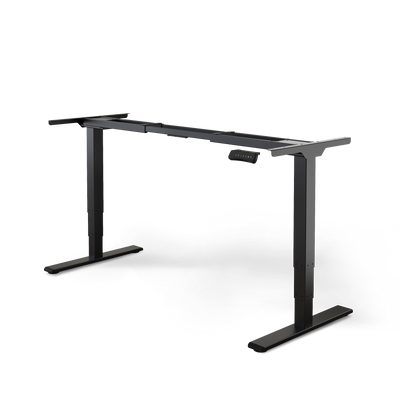
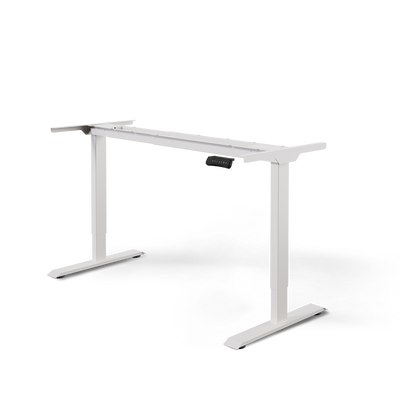
Height-adjustable desk
Facilitate switching between sitting and standing
Staying in one position all day
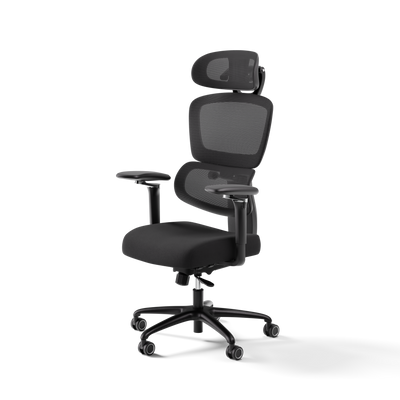
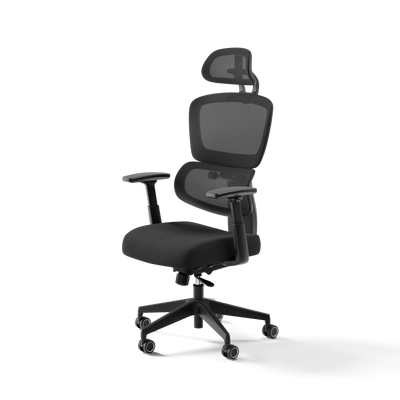
Ergonomic chair
Better support for spine and pelvis
Working on too soft or too rigid a seat
Appropriate lighting
Relieve eyes and reduce visual fatigue
Glare or too dark work surface
Tidy workspace
Reduce stimulus load and improve focus
Leaving everything visible
A height-adjustable desk is more than just comfort. It makes movement during the workday practical at all. Switching to standing doesn't work wonders. But it interrupts long periods of rigid sitting and helps many to become more alert again after long periods of concentration.
An ergonomic chair is still important. Standing is not a substitute for poor sitting. If the chair does not support you properly, you will hold tension in your back and shoulders. This costs energy, even if you only notice it later.
Light, order, and visual calm
Poor lighting makes the mind tired faster. Especially when working on a screen, it is worthwhile to consciously check light sources, daylight, and glare. You can find good guidance on this in optimal lighting at the workplace.
Order is also not a minor issue. An overloaded desk constantly forces your gaze to decide what is important. Only place things visibly that you need for the current task. Everything else goes out of sight.
A workspace shouldn't hinder you. It should make it easy for you to sit upright, regularly change position, and work without visual clutter.
If you want to know long-term what really makes a difference against listlessness in the office, you cannot exclude the physical space. Your workspace is not just a background. It is part of the solution.
Mental tools and better sleep against sluggishness
Listlessness is not always pure physical fatigue. Often, there's a knot of procrastination, overstimulation, and poor recovery behind it. Big resolutions won't help then. What helps are simple mental tools and a sleep routine that truly winds down your mind.
Two mental models for tough days
The first model is the Two-Minute Rule. If a task can be initiated in a very short time, start it immediately. Don't finish it. Just start it. Open the file, draft the subject line, name the document. The mind benefits when the starting line is lowered.
The second model is the Five-Minute Rule for unpleasant tasks. Set a timer and work on it for only a short time. After that, you can consciously decide again. Often, the task itself is not the problem, but the internal barrier before starting.
It's also helpful to manage digital distractions more closely:
Mute notifications as long as you're working concentrately.
Keep only one browser window active when you're completing a task.
Process emails in fixed windows, instead of constantly doing it on the side.
If you want to fundamentally better manage your psychological stress at work, you will find more practical tips here on mental fitness at the workplace.
Start smaller than your ambition dictates. This is not a step backward, but a working strategy against feeling blocked.
Sleep hygiene as a true foundation
Many try to compensate during the day for what they lack at night. This only works to a limited extent. If you sleep poorly, the day already starts with less reserve. Then meetings, stimuli, and decisions become tiring sooner.
This checklist is more realistic in everyday life than complicated sleep optimization:
Fixed sleep times. Not perfect, but as regular as possible.
Cool, dark sleep environment. The bedroom should signal rest.
Reduce screen time later in the evening. Especially right before falling asleep.
Offload late work thoughts. Write down open items instead of taking them to bed.
Don't consume caffeine too late. Otherwise, your sleep pressure will shift.
Short relaxation before sleeping. Breathing exercises, reading, or light stretching.
Problem in the evening
Better alternative
Quickly check emails
Note down to-do for tomorrow
Fall asleep with series
Quiet routine without work stimuli
Brooding in bed
Briefly jot down thoughts on paper
Directly from laptop to bed
Transition with light change and quiet
Those under a lot of pressure often benefit from impulses outside classic work routines. A good, easy-to-read introduction to this are these resilience tips for students, because many basic principles for concentration, stress, and recovery also apply in professional life.
What doesn't work well
It is not helpful to push through the day with maximum willpower and then hope for spontaneous exhaustion in the evening. It is equally impractical to cover up sleep problems with even more screen time. In the short term, this feels like relaxation. In reality, your system often remains activated.
If you want less sluggishness, you don't have to lead the day harder. You need to start it clearer and end it calmer.
If listlessness persists, seek professional help
Many forms of listlessness can be significantly improved with small changes. Acute immediate measures, a reliable daily structure, more micro-movement, suitable snacks, enough water, an ergonomic workplace, and clear rules for focus and sleep are helpful.
Nevertheless, there comes a point where self-help is no longer enough. Then you should not view this as a personal failure, but as a signal for clarification.
Warning signs you should take seriously
Listlessness persists over a longer period.
You feel down or empty inside almost daily.
Even simple decisions overwhelm you permanently.
You withdraw significantly socially.
Sleep disturbances, physical complaints, or severe concentration problems occur.
Your weight changes without clear intent.
Work, household, or self-care become noticeably more difficult than usual.
Then a doctor's appointment is advisable. Organic causes such as thyroid problems, nutrient deficiencies, sleep disorders, or other illnesses should be ruled out. Psychological stress, states of exhaustion, or depression also belong in professional hands.
Above all, one thing is important. Don't wait for things to get better on their own if you've been stuck for weeks. Early clarification takes the pressure off and often brings clarity faster.
An ergonomic workplace doesn't solve every energy problem. But it can make your everyday life much easier if your current setup is holding you back. On DESKSPACE you'll find well-thought-out solutions for productive work in the home office and in the office, from height-adjustable desks to ergonomic seating solutions. If you want to bring less friction and more freedom of movement into your workday, this is a sensible next step.