

10 Effective Workplace Health Promotion Measures for 2026

Workplace Health Promotion (WHP) is a strategic investment in the health, motivation, and performance of your team. A well-thought-out concept reduces illness-related absences, increases employer attractiveness, and boosts productivity. In the long term, it fosters a culture where employees feel valued and supported.
This article provides a practical guide with 10 concrete and actionable workplace health promotion measures. You will learn how to create a sustainably healthy work environment that functions in the office and at home. We cover the important areas:
- Physical Health: Ergonomics, movement, and active breaks.
- Mental Health: Stress management and psychological well-being.
- Organizational Framework: Structural adjustments for a healthy work culture.
We show you what you can do and how to implement it. You'll receive clear steps, KPIs for success measurement, and tips for prioritization. A focus is placed on how you can use ergonomic solutions such as height-adjustable desks and ergonomic chairs as an integral part of your WHP strategy. Find the right measures here to promote your team's health and engagement.
1. Ergonomic Desks with Electric Height-Adjustable Tables
One of the most fundamental workplace health promotion measures is the design of ergonomic workstations. Electric height-adjustable desks are a central element here. They enable a seamless transition between sitting and standing activities and counteract the negative consequences of prolonged sitting.
By regularly changing working postures, blood circulation is stimulated, muscles are activated, and the spine is relieved. The result is less back strain, improved concentration, and higher productivity.

Why This Measure Works
Static sitting leads to one-sided strain and tension. The switch between sitting and standing promotes dynamic work. Occupational physicians and health insurance companies such as AOK and TK actively recommend this. The memory function stores individual heights and facilitates quick changes.
Concrete Implementation Tips
- Utilize memory function: Program buttons for your ideal sitting and standing height. This simplifies the change and ensures correct posture.
- Plan regular changes: Set a timer to remind yourself to change posture every 30 to 45 minutes.
- Think systemically: Combine the desk with an ergonomic office chair. The full effect only unfolds when both components interact.
- Enable a test phase: Offer your team the opportunity to test the desks. This is ideal for evaluation before a company-wide rollout.
Practical Example: Tech companies and co-working spaces equip their offices with height-adjustable desks as standard. They thus promote health and position themselves as attractive employers.
The integration of sit-stand desks is a preventive and sustainable investment in the health of your workforce. Learn more about the benefits and proper use in our guide on sit-stand desks.
2. Ergonomic Office Chairs with Dynamic Seating Support
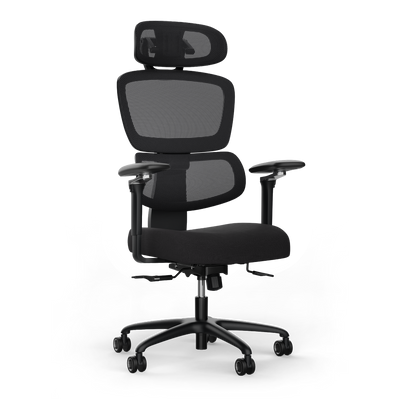
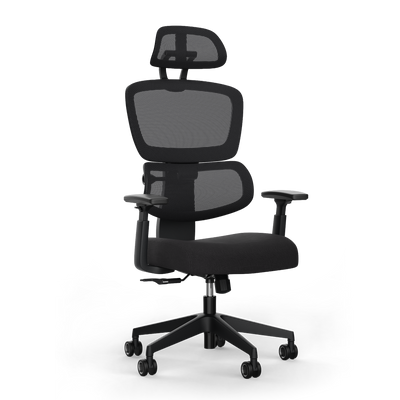
Besides the desk, the office chair is the second crucial component for a healthy workplace. An important workplace health promotion measure is therefore the provision of ergonomic office chairs that actively promote dynamic sitting. They adapt to the body's natural movements, support the spine, and prevent postural damage.
An ergonomic chair features adjustable lumbar support, a synchronous mechanism, and multiple adjustment options. These functions allow for continuous, slight changes in sitting position. This relieves the intervertebral discs, activates the back muscles, and promotes blood circulation.

Why This Measure Works
Prolonged, static sitting is a primary cause of back pain and muscle tension. Orthopedists and occupational physicians emphasize the importance of dynamic sitting. Chairs with certified synchronous mechanisms support a healthy posture and stimulate micro-movements. This reduces spinal strain and prevents fatigue.
Concrete Implementation Tips
- Ensure individual adjustment: Adjust the seat height so that your feet are flat on the floor and your knees form a 90-degree angle. Position the lumbar support at the height of your natural lumbar curve.
- Utilize synchronous mechanism: Activate the dynamic function of the chair instead of locking the backrest. This promotes continuous, minimal movements.
- Think systemically: An ergonomic chair only unfolds its full potential in combination with a height-adjustable desk. The coordination of both elements is crucial for optimal ergonomics.
- Seek advice: Use buying guides to find the right model for individual body measurements and requirements.
Practical Example: Consulting firms and law offices specifically invest in premium ergonomic chairs. They view this as a health measure, an instrument for employee retention, and a sign of appreciation. Health insurance companies like TK promote the purchase of such chairs for home offices.
Providing certified ergonomic chairs is an effective and tangible measure for health promotion. Discover how to choose the right chair in our guide to ergonomic office chairs.
3. Movement Breaks and Activity Changes During the Workday
Systematically planned movement breaks are a crucial workplace health promotion measure. They compensate for the negative effects of long, uninterrupted sitting periods. Short interruptions to activate the body can relieve tension, improve circulation, and restore mental freshness. Movement must become an integral part of daily work.

Why This Measure Works
The human body is not made for hours of static sitting. The result is often back and neck pain, fatigue, and difficulty concentrating. Regular changes in activity break this monotony. They stimulate circulation, provide the brain with more oxygen, and promote joint health. Health insurance companies and the DGUV confirm the high preventive effectiveness.
Concrete Implementation Tips
- Apply the 20-20-20 rule: Every 20 minutes, look at an object at least 20 feet (approx. 6 meters) away for 20 seconds. This relaxes the eye muscles and prevents digital eye strain.
- Integrate short stretching exercises: Perform simple stretches for the neck, shoulders, and back directly at your desk. Two to three minutes make a noticeable difference.
- Promote dynamics: Use a height-adjustable desk to regularly switch between sitting and standing. The memory function facilitates this change.
- Establish team activities: Organize short, joint movement breaks via video conference or in the office. This strengthens team spirit and increases motivation.
- Use digital reminders: Set calendar notifications or use apps that remind you to take regular breaks.
Practical Example: Tech companies integrate "walking meetings" or provide small movement zones in the office. Remote teams use tools that prompt the team to take short, shared exercise breaks.
4. Footrests and Foot Massage Plates for Workplaces
Ergonomic footrests and foot massage plates are important workplace health promotion measures. They support a correct sitting posture and promote blood circulation. They relieve leg muscles and the lower back by reducing pressure on the thighs and providing a stable surface for the feet.
Especially for shorter individuals or when desks are not optimally adjusted, they prevent feet from dangling in the air. Models with massage functions also stimulate foot reflex zones and actively contribute to stress reduction.

Why This Measure Works
A correct sitting posture requires feet to be flat on the floor or a support, with knees at an angle of approximately 90 degrees. Footrests enable this position and prevent poor posture. Occupational physicians recommend them as a cost-effective and efficient addition to basic ergonomic equipment.
Concrete Implementation Tips
- Adjust the correct angle: Position the footrest at a tilt angle between 15 and 30 degrees. This ensures a natural foot posture and activates the venous pump.
- Use actively: Use foot massage plates several times a day for two to three minutes. Gently move your feet over the nubs to stimulate circulation.
- Integrate systemically: Combine the footrest with a height-adjustable desk and an ergonomic office chair. First, adjust the chair correctly, then adjust the footrest.
- Offer as an accessory: Integrate footrests as standard accessories when equipping home office workstations.
Practical Example: Call centers and customer service departments use foot massage plates to minimize the negative effects of long sitting periods. They report higher employee satisfaction.
Footrests are a simple but effective investment in workplace health. They complete an ergonomic setup and offer tangible benefits for your employees' well-being.
5. Training and Workshops on Proper Workplace Ergonomics
Acquiring ergonomic furniture is only half the battle. Employees need to know how to use it correctly. Workplace health promotion measures should therefore include professional training on ergonomics. Such training imparts knowledge about the correct sitting and standing height, monitor positioning, and health-promoting movement patterns.
By imparting knowledge, the effectiveness of investments in office equipment is increased. Employees learn to adapt their workstation individually and to recognize signs of incorrect strain early.
Why This Measure Works
Without guidance, many employees do not utilize the potential of ergonomic aids. Expert training creates the necessary awareness and competence. Professional associations, health insurance companies, or certified ergonomists offer such training.
Concrete Implementation Tips
- Consult experts: Engage external ergonomics experts for an objective analysis and practical training. They can evaluate individual workstations and provide recommendations.
- Practical content: Combine the introduction of new office furniture directly with practical training. This way, employees learn to use the functions correctly from the start.
- Use digital formats: Create short video tutorials or offer online training to flexibly inform remote teams and new employees.
- Regular refreshers: Plan semi-annual refresher training to keep knowledge current.
Practical Example: Health insurance companies like TK or AOK promote ergonomics workshops as part of workplace health promotion. Companies can use these offers to support the health of their workforce cost-effectively.
The combination of equipment and knowledge is key to sustainable ergonomics. Learn more about proper setup in our guide to the perfect desk height.
6. Active Breaks with Stretching and Strengthening Exercises
An effective workplace health promotion measure is the integration of structured, active breaks. Short sessions with stretching and strengthening exercises compensate for the negative effects of prolonged sitting.
These short movement units reactivate muscles, promote blood circulation, and improve flexibility. They actively prevent postural damage, tension, and back pain, and increase concentration.
Why This Measure Works
Prolonged sitting leads to muscular imbalances and an undersupply of the intervertebral discs. Targeted exercises counteract this by stretching shortened muscles and activating weakened muscle groups. Sports scientists recommend these micro-breaks as a highly effective method of prevention.
Concrete Implementation Tips
- Establish fixed time slots: Plan fixed blocks for movement, for example, five minutes in the morning and ten minutes after lunch. Calendar reminders help with this.
- Choose exercises without equipment: Focus on exercises that can be performed directly at the workstation. Examples include neck stretches, shoulder rolls, or squats.
- Use video instructions: Provide the team with qualified video instructions. Many health insurance companies or fitness platforms offer professional exercise videos.
- Get active together: Organize joint exercise sessions, even virtually via video conference. The group feeling increases motivation.
Practical Example: Technology companies integrate yoga and stretching classes into the workday. Remote teams establish short, shared Zoom exercise sessions to strengthen team spirit and promote health.
The combination of ergonomic furniture and regular movement is the key to a healthy workplace. Discover suitable exercises in our guide on more movement at the workplace.
7. Light and Display Optimization for Reduced Eye Strain
An often underestimated workplace health promotion measure is the optimization of lighting conditions and display settings. Hours of screen work put a heavy strain on the eyes and can lead to digital fatigue, headaches, and concentration problems. A well-thought-out adjustment counteracts this.
By correctly positioning the monitor, adjusting the color temperature, and using glare-free light sources, the eye muscles are relieved. The result is less visual stress, improved visual performance, and more focused work.
Why This Measure Works
Our eyes are not designed for hours of staring at a close, self-illuminating surface. Ergonomics associations emphasize the importance of adapted lighting conditions and screen settings. Technologies such as blue light filters adapt the display to ambient light and reduce the proportion of strenuous blue light.
Concrete Implementation Tips
- Position monitor correctly: The top edge of the screen should be at or slightly below eye level. A monitor arm allows for flexible and ergonomically correct alignment.
- Apply the 20-20-20 rule: Every 20 minutes, look at an object at least 20 feet (approx. 6 meters) away for 20 seconds. This relaxes the eye muscles.
- Adjust color temperature: Use functions like "Night Shift" to vary the display's color temperature throughout the day. Warmer tones in the evening are more pleasant.
- Avoid direct glare: Position the desk sideways to the window to minimize reflections. Use indirect, dimmable light sources.
Practical Example: Technology companies specifically invest in adaptive lighting systems and intelligent display technologies. They recognize that visual well-being is directly related to cognitive performance.
Optimizing light and display is a simple but highly effective health promotion measure that directly impacts work quality.
8. Mental Health and Stress Reduction Programs
Mental health is a crucial pillar for well-being. Effective workplace health promotion measures must therefore include programs for stress reduction and strengthening psychological resilience. Initiatives such as meditation offerings, resilience workshops, or access to psychological counseling help prevent burnout.
A proactive approach to mental health signals appreciation and reduces stigmatization. When teams learn to deal with stressors constructively, concentration, creativity, and general job satisfaction improve.
Why This Measure Works
Chronic stress is a risk factor for numerous diseases and leads to absenteeism and productivity losses. Programs to promote mental health address the root cause directly. They provide employees with tools to maintain their mental balance. Studies confirm the positive influence of mindfulness and psychological support.
Concrete Implementation Tips
- Create low-threshold offerings: Offer digital meditation apps, short online workshops, or regular consultation hours with a coach. This allows employees to find support easily.
- Train leaders: Sensitize leaders to the signs of mental strain. They play a key role in establishing an open communication culture.
- Enable anonymous counseling: Integrate an Employee Assistance Program (EAP) that provides employees with free and confidential access to psychological counseling.
- Connect physical and mental health: A tidy, ergonomic workstation reduces physical stress and promotes mental clarity.
Practical Example: Companies like SAP and Google integrate comprehensive mental health programs. They offer meditation, access to psychologists, and foster a culture where mental health is openly discussed.
A key element for mental health is promoting mindfulness. It helps sharpen focus and deal more calmly with daily demands.
9. Ergonomic Space Design and Work Environment Optimization
A comprehensive strategy for workplace health promotion measures considers the entire work environment. A holistic, ergonomic space design takes into account factors such as temperature, air quality, lighting, and noise levels. These elements directly influence well-being, concentration, and health.
An optimized work environment minimizes stress factors such as noise or poor air. It creates an atmosphere for focused and creative work. The goal is a physically and psychologically healthy environment.
Why This Measure Works
The work environment has a measurable impact on our performance. Incorrect room temperatures or poor air quality disrupt concentration. Standards like the WELL Building Standard demonstrate the direct correlation between room quality and employee health. A well-designed environment reduces sick days and increases satisfaction.
Concrete Implementation Tips
- Control indoor climate: Regularly check room temperature and humidity. Use smart thermostats and, if necessary, humidifiers or dehumidifiers.
- Improve acoustics: Reduce noise levels with acoustic panels, carpets, or partitions. This is particularly crucial in open-plan offices.
- Integrate plants: Office plants improve air quality, reduce stress, and increase well-being. They are a cost-effective and efficient measure.
- Create flexible zones: Combine space design with flexible furniture. Height-adjustable tables and chairs allow spaces to be quickly reconfigured for different tasks.
Practical Example: Companies like Apple invest heavily in the architecture of their office buildings. Apple Park is an example of an environment that promotes creativity and health through optimized indoor climate, natural lighting, and excellent acoustics.
A well-thought-out space design is a sustainable investment in your company's most valuable resource: its people. It is a fundamental pillar for successful health promotion.
10. Corporate Fitness and Wellness Programs
Structured fitness and wellness offerings are central workplace health promotion measures to increase physical activity. They range from subsidies for gyms to organized sports groups and company runs. These programs provide an incentive for exercise and strengthen team cohesion.
By promoting sports, the cardiovascular system is strengthened, stress is reduced, and mental resilience is improved. An active lifestyle helps prevent lifestyle diseases and increases overall performance.
Why This Measure Works
Lack of exercise is one of the main causes of back problems. Organized fitness programs lower the barrier to entry for a more active life. Health insurance companies support such prevention offers, as they demonstrably reduce illness rates. Providers like Gympass or Urban Sports Club facilitate organization.
Concrete Implementation Tips
- Offer subsidies: Implement a subsidy for memberships in gyms or sports clubs. This can often be processed via payroll.
- Organize courses in the office: Offer yoga, Pilates, or back exercises directly on-site or virtually. Classes in the morning or during lunch breaks are effective.
- Use gamification: Start inter-team competitions such as step challenges. Rewards for the most successful teams increase motivation.
- Enter into cooperations: Work with local health providers or health insurance companies to get discounts or special programs.
Practical Example: Large tech companies often offer free gyms and courses directly on campus. Many financial service providers promote company sports groups and participation in marathons to strengthen team spirit.
Fitness programs are a direct investment in your team's health. They complement ergonomic measures and are an important building block for a holistic health strategy. Learn more in our guide on implementing occupational health management.
Brief Comparison: 10 Workplace Health Promotion Measures
| Measure | Implementation Complexity | Resource Requirement | Expected Results | Ideal Use Cases | Main Benefits |
|---|---|---|---|---|---|
| Ergonomic Height-Adjustable Desks | Medium (Installation, Electrics) | Medium–High (Purchase, Assembly) | Reduction of back problems, more movement, increased productivity | Offices, Home Office, flexible workstations with long sitting hours | Promotes sit-stand changes, individually adjustable, certified |
| Ergonomic Office Chairs with Dynamic Seating Support | Low (One-time purchase) | Medium (Per-chair cost) | Fewer back/neck complaints, improved sitting behavior | Full-time desk users, call centers, sedentary activities | Dynamic sitting, lumbar support, long-term comfort |
| Movement Breaks and Activity Changes | Low (Processes/Apps) | Low (Time, Reminders) | Less fatigue, higher concentration, prevention of complaints | All office environments, remote teams, shift work | Cost-effective, high ROI, immediately implementable |
| Footrests and Foot Massage Plates | Low (easy to integrate) | Low (accessory costs) | Better sitting posture, reduced foot/leg swelling | Call centers, home office, employees with foot strain | Inexpensive, easy integration, promotes circulation |
| Training and Workshops on Ergonomics | Medium–High (Organization, Trainer) | Medium (Time, external experts) | Increased awareness, sustainable behavioral change, fewer MSK diseases | Companies with many employees, rollouts of ergonomics measures | Maximizes impact of other measures, measurable disease reduction |
| Active Breaks (Stretching, Strengthening) | Low (Programs/Videos) | Low–Medium (Trainer/Videos, Time) | Improved flexibility, less tension, increased energy | Screen-working teams, remote groups, offices with long sitting hours | Preventive, strengthening team effect, low-cost |
| Light and Display Optimization | Medium (Hardware & Space Design) | Medium–High (Lighting, Monitors, Holders) | Reduced eye strain, fewer headaches, better sleep quality | Screen-intensive activities, design/IT teams | Increases visual productivity, combinable with ergonomics furniture |
| Mental Health/Stress Programs | Medium–High (Culture, Offerings) | Medium–High (EAP, Counseling, Apps) | Reduction of burnout, better work-life balance, higher retention | Large companies, high-stress industries, HR initiatives | Long-term health benefits, image improvement |
| Ergonomic Space Design & Environment Optimization | High (Planning, Conversion) | High (Renovation, Technology, Furniture) | Higher concentration, fewer respiratory/stress problems, better acoustics | New build/redevelopment, headquarters, coworking spaces | Holistic effect, sustainable productivity increase |
| Corporate Fitness and Wellness Programs | Medium (Organization, Partners) | Medium–High (Subsidies, Courses) | Better cardiovascular health, fewer sick days, team strengthening | Companies with budget for benefits, larger workforces | Increases motivation and retention, measurable ROI |
Your Next Step Towards Sustainable Employee Health
The presented workplace health promotion measures show: A healthy workplace is the result of a conscious, strategic decision. Effective health promotion rests on two pillars: primary prevention and behavioral prevention.
Primary prevention designs the work environment to actively promote health. This includes ergonomic workstations with height-adjustable desks and chairs, optimized room design, and glare-free lighting. Behavioral prevention aims to strengthen individual health awareness. Examples include training on proper ergonomics, workshops on stress management, or promoting movement breaks. The greatest success is achieved when both approaches work together.
Summary of Key Findings
The journey to a comprehensive health culture is a marathon, not a sprint. The most important insights are:
- Build the foundation: Ergonomics is the basis. An ergonomically designed workstation in the office and at home is the most effective single measure for preventing musculoskeletal diseases.
- Think holistically: Health includes physical and psychological aspects. Stress reduction programs, mindfulness exercises, and an open communication culture are just as crucial as active breaks.
- Consider individuality: Not every measure fits every company. A needs analysis is the first step to developing effective initiatives.
- Make success measurable: Define clear key performance indicators (KPIs) to monitor the success of your workplace health promotion measures. Reduced sick days or higher employee satisfaction are strong indicators.
Your Concrete Next Steps
Implementation doesn't have to be complicated. Start with the measures that offer the greatest leverage with manageable effort.
- Analyze the status quo: Conduct an anonymous survey. Ask your employees about their biggest health challenges at work.
- Prioritize measures: Start with the basics. Investing in ergonomic equipment such as height-adjustable desks and ergonomic office chairs is often the most effective first step.
- Implement quick wins: Simultaneously implement easy-to-implement behavioral measures. Introduce fixed "movement slots" in the calendar or offer instructions for stretching exercises.
- Communicate transparently: Explain to your team why you are taking these steps. Show that you care about their health. Collect feedback and adapt the measures.
Proactive health promotion is a strategic investment in your employees. Healthy, satisfied employees are more engaged, creative, and productive. They form the foundation for sustainable entrepreneurial success. Start shaping this culture today.
Are you ready to lay the foundation for a healthy and productive work environment? At DESKSPACE, you will find professional, electrically height-adjustable desks and ergonomic office chairs specifically designed to promote physical health in the workplace. Discover the right solutions for your office or home office now at DESKSPACE and invest in your team's well-being.


