

Chair Cushions: Ergonomics & Comfort 2026

You probably already know the problem. You're sitting on a chair that quickly feels hard, your sitting position tips forward, or you constantly slide down. The obvious solution then is a seat cushion.
But not every seat cushion truly improves your sitting. Some models only make the chair softer. Others change the seat height so much that the table, legs, and pelvis no longer fit together. That's why it's worth considering seat cushions for chairs not as decoration or comfort accessories, but as a functional part of your seating ergonomics.
If you work long hours in your home office, use your dining chair as a workspace, or want to compensate for a hard seat shell, this guide will help you make an objective decision. Do you really need a cushion? What type suits your use? And when is the cushion just a band-aid for a chair that fundamentally doesn't suit you?
When a seat cushion is truly useful
A seat cushion is useful when it solves a specific problem. Not just when it looks soft.
The most common useful applications are clear. Your seat is too hard. The pressure on your sit bones increases with prolonged sitting. You slide forward on smooth surfaces. Or your chair is fundamentally usable but lacks sufficient padding for your actual sitting duration.

Comfort is not the main point
Many people initially look for more comfort. This is understandable but too narrow-minded.
The more important point is pressure distribution. When you sit on a hard or unyielding surface, pressure concentrates heavily on a few contact points. A good cushion distributes this load over a larger area. This can reduce numbness, localized pressure, and constant shifting.
Practical rule: A good seat cushion doesn't just feel soft. It stabilizes your sitting position and reduces localized pressure.
However, this doesn't automatically mean that a cushion is an ergonomic solution. Ergonomics-oriented buying guides emphasize that the coordination of seat surface, table height, and sitting duration is crucial. At the same time, users are not just looking for "comfortable," but for the answer to whether a cushion brings a real improvement or merely masks a symptom. A cushion can influence pelvic posture but does not automatically resolve back or tailbone pain, as the ergonomics-oriented chair FAQ at Wohnen.de notes.
When a cushion is the right solution
A seat cushion is usually a good fit when the chair itself still functions, but one specific point is missing:
- Too hard seat surface: Typical for wooden chairs, plastic shells, or thinly padded visitor chairs.
- Long sitting periods: Especially in the home office, when an originally short-term seat suddenly becomes a permanent workstation.
- Slight posture adjustment: If you need a bit more stability or a slightly altered pelvic position.
- Changing use: If several people use the same chair and a flexible cushion is more sensible than a complete chair change.
When a cushion is just a band-aid
There are also clear contraindications. If the chair is too low, too high, too narrow, or structurally unsuitable, a cushion will often exacerbate the underlying problem.
Pay particular attention to these warning signs:
- You already sit too high at the table.
- The seat is too short or too deep.
- The backrest doesn't suit your posture.
- You want to solve severe pain with more padding.
In such cases, you should rather check the chair itself. If you are specifically looking for relief due to discomfort, the overview of seat cushions for back pain will also help you, as distinguishing between a sensible addition and an unsuitable makeshift solution is important there.
A seat cushion is good when it makes a usable chair more precisely usable. It is not a substitute for an unsuitable chair.
Materials Compared: Memory Foam, Gel, Foam, and Air
Most mispurchases happen with material. Many buy by feel, not by use.
The problem is simple. A material might feel good during the initial test sit, but still be annoying in everyday use. It retains heat, loses its shape, or feels too unstable on your chair. Therefore, you shouldn't ask which material is generally good, but which one suits your daily sitting routine.
What really matters in everyday life
For seat cushions for chairs, four questions are more important than marketing terms:
- How does the material distribute pressure?
- How warm does it feel after prolonged use?
- How stable does it remain with daily use?
- How well does it match your chair type?
For durability, not only the filling but also the cover is important. An artificial leather seat cushion offered in Germany achieves 100,000 abrasion cycles, while the stated standard is around 30,000 abrasion cycles. This slows down surface aging and is particularly relevant for intensive use, as shown in the product description of the artificial leather seat cushion.
Comparison of seat cushion materials
| Material | Pressure Relief | Breathability | Durability | Ideal for |
|---|---|---|---|---|
| Memory Foam | High, adapts strongly | Rather low | Solid with appropriate use | Long sitting on hard chairs |
| Gel | Noticeably relieving, often a bit more direct | Often more pleasant than dense foam | Depends on construction | Users who want less heat buildup |
| Foam | From low to good, depending on firmness | Mostly balanced | Practical for everyday use | Dining rooms, visitor chairs, simple upgrade |
| Air | Highly dependent on adjustment | Good, due to minimal material contact | More sensitive in everyday use | Flexible adjustment, mobile use |
Memory Foam
Memory foam adapts significantly to your body shape. Many find this pleasant when first sitting on it, as hard pressure points are softened.
However, in everyday use, the material has a clear trade-off. It often reacts more slowly and can feel warmer. If you get up frequently, turn often, or want a very stable sitting feeling, it might seem too yielding.
Gel
Gel cushions are often chosen by users seeking a slightly cooler sitting experience. What's practically relevant is how the gel is integrated into the overall cushion. A thin layer of gel on an unstable base provides little benefit. A well-constructed cushion, on the other hand, can distribute pressure better without sinking as deeply as very soft foam.
Gel is often suitable if classic foam feels too warm or too dull to you.
If you sweat easily or find a dense cushion uncomfortable, gel is not automatically the solution. Often, the cover has a greater impact on the sitting climate than the keyword on the label.
Classic Foam
Foam is the most sober candidate. No special image, but often suitable for everyday use.
It works well if you're looking for a solid base padding that doesn't completely alter the chair. For dining chairs, kitchen chairs, or occasionally used workspaces, this is often the most sensible choice. Here, the label is less important than the coordination of shape, thickness, and cover.
Air Cushions
Air cushions allow for flexible adjustment. This can be useful if you want to experiment with pressure distribution or are looking for a portable cushion.
The downside is their higher sensitivity in use. Too little air makes the cushion spongy. Too much air creates unstable sitting. For focused work, many users therefore prefer firmer solutions.
Brief Decision-Making Aid
If you are unsure, this guidance will help:
- For hard wooden or plastic chairs: rather memory foam or well-adjusted foam
- For warmer environments: rather gel or breathable foam with a suitable cover
- For dining rooms and everyday use: classic foam is often sufficient
- For flexible adjustment on the go: air can be useful if you can handle the setup
The right cushion for every purpose
The same person doesn't sit the same everywhere. That's precisely why not every seat cushion works in every environment.
A cushion for a desk must be evaluated differently than one for a dining area or a patio. Sitting duration, posture, material, and maintenance effort vary greatly depending on the application.

Home Office and Long Office Hours
In the home office, it's not just about softer sitting. You need a cushion that remains stable for hours and doesn't worsen your working posture.
Models that evenly supplement the seat without raising you too high are sensible here. It's particularly important that your arms can still comfortably reach table height afterward. If your chair already has ergonomic features, the cushion should support them and not obscure them.
If you are specifically looking for tailbone relief, a specialized overview of cushions for the tailbone is often more helpful than a general chair cushion.
Gaming and Focused Sessions
When gaming, many people sit for long periods and relatively statically. Here, a poorly matched cushion quickly stands out. Either you slide forward, or you sit too softly and lose stability.
In this application, prioritize form stability over maximum softness. A cushion that collapses after a short time may feel more comfortable initially but later interferes with controlling your sitting position.
For long sessions, a stable sitting feeling is often more important than a particularly soft first impression.
Dining Room and Multi-Purpose Chairs
The situation is different for dining chairs. Sitting times are usually shorter, and the demands on cleaning and appearance are higher.
Here, flatter, uncomplicated cushions often work better than heavily shaped special models. The cushion should enhance the chair but not unnecessarily change the seat height. For chairs that also serve as a temporary workspace, a closer look at balance rather than padding thickness is worthwhile.
Terrace, Balcony, and Garden
Outdoors, material suitability is paramount. For outdoor use, weatherproof fabrics like Sunbrella, Olefin, or treated polyester are recommended. For chairs, 4 to 5 cm is often sufficient, while for wide benches, 8 cm is described as soft and comfortable, as explained in the German outdoor cushion buying guide from Lekoni.
This is practically important because different problems arise outdoors than indoors:
- Moisture: The cover must be insensitive.
- Drying: The cushion should be quickly usable again after rain or cleaning. Shape: On wide benches, you usually need more substance than on individual chairs.
- Care: Wipeable or durable fabrics save time.
Which shape suits which chair
Not only the material matters. The design must also match the chair.
| Chair Type | Suitable Cushion Type | What to pay attention to |
|---|---|---|
| Wooden chair | Flat to medium-thick cushion | Avoid becoming too high |
| Plastic shell | Pressure-relieving cushion with grip | Non-slip properties important |
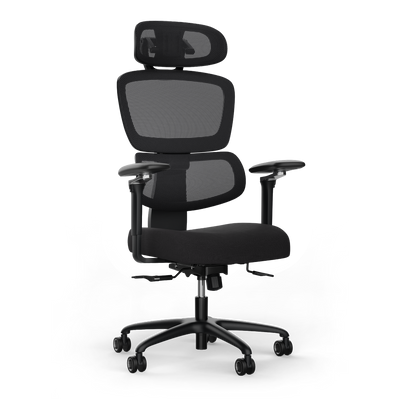
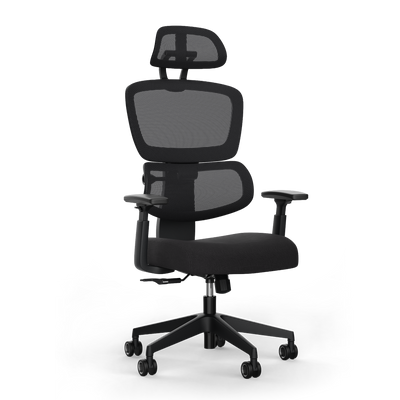
| Office chair with little padding | Thin addition | Do not obscure the ergonomic shape of the chair |
| Garden chair | Weatherproof seat cushion | Quick-drying cover |
Choosing the right size and fastening
You sit on the chair, and suddenly nothing quite feels right. Your knees are higher, the table seems too low, or the cushion slides forward with every small movement. This is precisely what determines whether a seat cushion improves the chair or merely masks a problem.
A suitable cushion follows the geometry of the chair. An unsuitable cushion changes it.

How to measure correctly
Always measure the chair itself. An old cushion is often compressed, distorted, or wasn't ideal from the start.
Three points are important: seat width, seat depth, and shape of the seat surface. For chairs with high backrests or special supports, the backrest height may also be relevant. The guide to correctly measuring seat cushions precisely describes this measuring sequence.
The thickness immediately comes to mind. It is not a separate comfort detail, but changes your sitting height. A cushion here acts like an additional layer on the chair. Even a small height can be enough for feet, knees, and table edge to no longer fit well together.
The simple measuring sequence
-
Measure width
Measure the usable area from left to right. If side edges or armrests limit the seating surface, measure within this limit. -
Measure depth
Measure from the front edge to the point where the backrest or seat hollow practically ends the surface. -
Check shape
Pay attention to whether the surface is rectangular, rounded, trapezoidal, or narrower at the back. This is similar to shoes. The length alone is not enough if the shape doesn't fit. -
Consider thickness in conjunction with the chair
Check how high you sit with the cushion. Do your feet remain fully on the floor? Does the height still fit the table? Does the front edge of the seat then possibly press against your thighs?
Practical Check: The cushion should fill the seat surface well, but not overhang. Overhangs not only look untidy but also promote slipping and pressure points.
How to recognize that the cushion is not the main problem
Sometimes the fit is correct, yet the chair remains impractical. In such cases, the cushion is more of an interim solution.
This applies, for example, to very narrow seats, chairs that tilt sharply forward, or models where the seat height is already borderline for the table even without a cushion. In such cases, more padding rarely provides true ergonomics. It merely masks the fact that the chair itself doesn't suit your intended use.
If you plan to use the cushion for long working hours, you should also check the specifics of cushions for office chairs, as freedom of movement, seat height, and contact with the backrest are more important there.
Attachment Decides Everyday Comfort
A loose cushion may look good on paper but still be annoying in practice. Smooth wooden, plastic, or faux leather seats, in particular, make small movements immediately noticeable.
The appropriate attachment depends on the chair:
- Ties securely hold cushions on dining chairs, kitchen chairs, and many garden chairs.
- Non-slip undersides are better if ties shouldn't be visible or the chair doesn't offer a good spot for tying.
- Form-fitting overlays work well when the seat is strongly contoured and the cushion is thus mechanically guided.
Ties only help if they are positioned in a sensible spot and can be fastened tightly. A non-slip underside only helps on a clean and relatively smooth surface. So here too, the solution must fit the chair, not just the product photo.
Typical Fit Errors
| Error | Consequence | Better Solution |
|---|---|---|
| Cushion too small | Pressure at the edges, less stable seating surface | Measure seating surface exactly |
| Cushion too large | Overlap, wrinkles, more movement on the chair | Choose shape and dimensions closer to the chair |
| Cushion too thick | Seat height no longer matches table or floor | Re-check height when seated |
| Incorrect attachment | Constant readjustment in everyday life | Choose ties, anti-slip underside, or form-fitting overlay suitable for the chair |
Common Purchasing Mistakes and Proper Care
Suddenly you're sitting higher than usual at dinner. Your shoulders hunch, your forearms no longer rest comfortably on the table, and after a short time, you slide forward on the cushion. The problem is often not the padding itself, but the wrong combination of cushion, chair, and use.
This is where many bad purchases happen. A seat cushion is not a cure-all. It can reduce pressure, ward off cold from hard surfaces, or make long periods of sitting more comfortable. However, it can only improve a chair with an unsuitable height, an unfavorable seating surface, or a poor backrest position to a limited extent.
Typical Purchasing Mistakes that Cause Annoyance in Everyday Life
A common mistake is buying based on appearance. In the product photo, a cushion looks soft, thick, and comfortable. In everyday life, something else matters. How stable does it remain under your weight, how much does it change your sitting height, and does it stay in place?
Too much softness is also often mistaken for comfort. A very soft cushion feels pleasant during the first trial sit, similar to a mattress that you briefly sink into. However, during longer periods of sitting, the support is often lacking. The pelvis tilts more easily, you sit more restlessly and adjust your position more frequently.
Another misconception concerns thickness. More padding is not automatically better. If the cushion significantly raises you, the entire sitting geometry changes. Knees, hips, table edge, and arm position must continue to fit together. Otherwise, you feel like you're buying comfort but end up with new tensions.
Three Misunderstandings that Lead to False Expectations
-
"A seat cushion will solve my back pain."
Sometimes it helps. However, the cause is often deeper, for example, an unsuitable seat height, lack of back support, or sitting for too long without changing posture. -
"If the seat is hard, I just need the softest model."
Against pressure, evenly supportive padding is often better than extreme sinking. -
"A cushion turns any chair into a good chair."
This is only true to a limited extent. A cushion can improve a usable chair. It cannot replace a fundamentally unsuitable chair.
How to Tell if a Cushion Would Only Be a Band-Aid
If your feet don't firmly touch the floor even without a cushion, an additional pad will usually exacerbate the problem. If the backrest is too far back or doesn't provide support at all, even with a cushion, your back will still have to do the work. And if the seat slopes strongly forward, you will often continue to slide forward despite the cushion.
In such cases, the more sensible decision is sometimes not a new cushion, but a different chair.
Care to Maintain Functionality
A seat cushion rarely wears out all at once. It gradually loses its effectiveness. This is similar to shoe soles. From the outside, they still look usable, but the grip and cushioning are already decreasing.
You should regularly pay attention to the following:
- Keep the cover clean: Skin oils, dust, and food residues accumulate faster than you think.
- Treat stains early: Fresh dirt can usually be removed more gently.
- Check the padding: If individual areas feel significantly flatter or harder, the cushion is no longer supporting evenly.
- Air out cushions: This is especially helpful for denser materials and frequent use.
- Store dry: Particularly important for balcony, garden, or spare cushions.
Plan Care Based on Use, Not Material Names
In a home office, the focus is primarily on lasting cleanliness and shape retention. A cushion on a dining chair needs to withstand small stains and frequent shifting. Outdoor cushions have a different main problem: not brief rain showers, but damp storage, mildew, and a persistently clammy cushion.
| Use | What to pay attention to in care |
|---|---|
| Home office | Clean cover regularly, check padding for depressions |
| Dining room | Remove stains immediately, check attachment |
| Garden and balcony | Store only dry, protect from prolonged moisture |
| Visitor chairs | Briefly check shape, hold, and cleanliness before use |
A good seat cushion must not only fit when purchased. It must maintain its shape, support, and functionality in everyday use. When these decline, it's not just the cover that's old. The cushion then loses its actual purpose.
Decision Aid: Your Checklist for the Perfect Seat Cushion
In the end, a simple question remains. Does this cushion suit your chair and your use?
If you carefully check the following points, you will avoid typical bad purchases. The list is deliberately practical. You should go through it directly at the chair, not just in your head.
The Quick Yes or No Check
-
Have you identified a clear problem?
For example, a hard seat, sliding, localized pressure points, or too little padding for long sitting periods. -
Is the chair fundamentally usable?
If the seat height, seat depth, or backrest don't fit, a cushion often only helps to a limited extent. -
Do you know the primary use?
Home office, dining room, gaming, or outdoor use require different solutions. -
Does the material suit your use?
Warm seating feel, firm support, or easy cleaning are not minor details. -
Have you measured the width and depth directly on the chair?
Without measurement, you're likely buying against your own seating surface. -
Is the thickness compatible with your table and seat height?
A good cushion should not worsen your working position. -
Do you need an attachment?
This is often crucial on smooth surfaces.
If You're Undecided Between Two Options
Don't automatically choose the softer or thicker model. Choose the cushion that makes your sitting more precise.
These questions help with close decisions:
| Question | If you answer yes |
|---|---|
| Do you sit for long periods and rather statically? | Stability becomes more important than a soft first impression |
| Do you also use the chair for working? | Seat height and pressure distribution count more |
| Is the chair outdoors? | Weather-resistant cover has priority |
| Is the chair already well-padded? | A thin addition is often more sensible |
Check Compatibility with Ergonomic Chairs
With high-quality office chairs, you should be particularly careful. An additional cushion can improve the intended ergonomics, but it can also interfere.
This also applies to ergonomic models such as those offered by DESKSPACE in the office workstation sector. If a chair is already designed for seat height, posture, and freedom of movement, a cushion should support these functions rather than supersede them. Therefore, always check whether you truly need additional padding or rather a better adjustment of the chair.
The best purchase isn't the most eye-catching cushion. It's the cushion you barely notice after a short time because the chair simply works better.
The Final Decision Question
If you take away only one thing, let it be this: Don't buy a seat cushion for chairs as a reflex. Buy it as a targeted solution.
Then an accessory becomes a meaningful building block for better sitting.
If you want to set up your workspace more ergonomically overall, you can find information and products related to desks, chairs, and accessories for long, focused work at DESKSPACE. This is particularly useful if you are not just looking for a seat cushion, but want to consider the entire seating area as a system.


