

pinched nerve? What to do? 6 easy ways to get relief

A pinched nerve occurs when too much pressure is applied to a nerve by surrounding tissues, such as bones, cartilage, muscles, or tendons. This pressure disrupts the nerve's function, causing pain, tingling, numbness, or weakness.
In this article, you will learn how to relieve the symptoms of a pinched nerve and prevent them in the future.
6 Simple Ways to Relief
1. Rest and more sleep
Sleep is essential for nerve healing. The body repairs itself during sleep, and giving it more time can help symptoms subside faster.
In many cases, resting the affected area and getting more sleep is enough for the pinched nerve to heal on its own.
When treating a pinched nerve, it's also important not to overstress the nerve. Nerve damage can worsen with overuse. A person with a pinched nerve should avoid any movements that irritate the nerve. They should also try to sleep in a position that reduces pressure on the nerve.
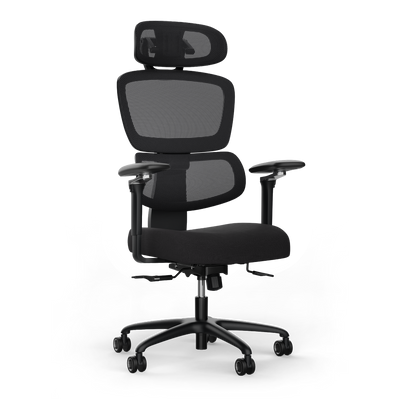
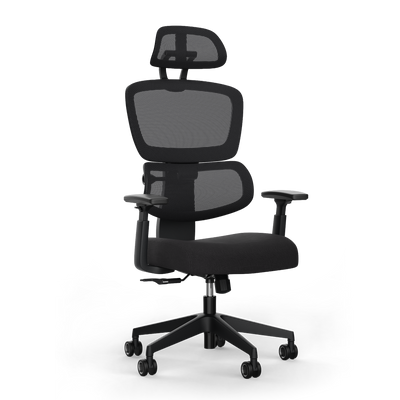
2. Ergonomic workplace
People struggling with pinched nerves could try to change their workplace.
A standing desk can help keep the spine mobile and flexible, which can reduce back pain. You can find more information here.
Raising your computer screen to eye level can help reduce neck pain and the symptoms of text neck.
Using an ergonomic mouse and keyboard can help reduce pressure in the hands and wrists.
The best way to find the right position is to experiment with settings to see what position relieves the pressure.
3. Ice and Heat Packs
Heating pads, red lights, or hot spots can relax tense muscles and soothe pinched nerves. Alternating between heat and ice packs can help reduce swelling and inflammation in many cases. The combination of heat and cold increases blood circulation in the affected area, which can help relieve pain.
Hold an ice pack on the affected area for 15 minutes, three times a day, to relieve inflammation. Heat packs can be applied for a longer period, up to 1 hour, three times a day.
4. Careful Movement & Avoid Strains
Jerky movements are harmful and can be very painful. For example, if you try to grab a fallen vase, quick movements can severely irritate inflamed elbow nerves.
Additionally, avoid the body areas affected by pinched nerves. If the inflammation affects the back or shoulders, carrying heavy objects like water tanks should be absolutely avoided.
5. Massage or Physiotherapy
Professional massage also helps to loosen muscle hardening through targeted kneading. Nerve irritation is reduced, and inflammation can be alleviated.
Physiotherapy with a combination of movement, massage, and gentle stretches can help alleviate symptoms.
6. Wearing a Splint
If possible, wearing a splint on the affected area can help prevent further damage and support nerve healing. This is a standard treatment for pinched nerves in the hands and wrists.
Many people also sleep with the splint to avoid nightly irritation and get better sleep. The splint helps relieve pressure on the nerve.


