

Neck exercises for neck pain: 7 effective exercises for a relaxed neck

After a long day at the desk, many people experience neck pain and stiff tension. In fact, almost half of Germans (45.7%) suffer from neck pain – office workers are particularly often affected (around 30% complain of chronic discomfort). The consequences can range from a stiff neck to headaches and problems with concentration. Often, poor posture and lack of exercise in everyday work are the cause. Fortunately, you can actively counteract this yourself: targeted exercises and stretches can improve neck mobility and release muscular tension. Below, we show you the best exercises to loosen a tense neck area and effectively relieve neck pain.
Common Causes of Neck Tension in the Office
Several factors in everyday work lead to the neck muscles cramping and aching. Typical triggers include:
-
Poor Posture: An unfavorable sitting position – such as a forward-tilted head – significantly increases the strain on the neck muscles and spine. Prolonged overuse can lead to neck tension.
-
Long Periods of Sitting: Those who sit almost motionless all day risk circulatory problems and muscle tension. Without movement breaks, muscles remain under constant tension, which promotes tension.
-
Stress: Psychological stress often leads to unconsciously shrugging the shoulders and tensing the neck. With continuous stress, muscle tone remains elevated – blood circulation decreases and painful tension arises.
All these factors can be influenced. An upright posture, regular movement, and relaxation in between prevent neck pain. In the next section, we present specific exercises that you can perform directly in the office or at home to loosen a tense neck.
The 7 Best Neck Exercises for Tension
With the following exercises, you can specifically stretch, mobilize, and strengthen your neck and shoulder muscles. Perform each exercise slowly and controlled, and breathe calmly. Just a few minutes regularly each day are enough to relieve the neck and prevent tension.
-
Drop your shoulders: Stand upright (or sit up straight) and pull both shoulders up towards your ears as high as possible. Hold the tension briefly, then let your shoulders suddenly drop loosely. Repeat this lifting and dropping 5–10 times.
-
Shoulder Diagonal: The starting position is a hip-width stance or an upright seated position with arms hanging down. Now pull your shoulders simultaneously forward and upward towards your chin/nose, and then in a fluid movement backward and downward towards your spine, as if you want to pull your shoulder blades together behind your back. Repeat this about 10–15 times.
-
Chin in and out (double chin exercise): Sit up straight, pull your shoulders slightly back and down. Now push your chin forward as far as possible and then slowly pull it far back, creating a noticeable “double chin.” Keep your gaze straight ahead. Repeat the movement 10–15 times.
-
Elbow Shoulder Circles: Place the fingertips of both hands on your shoulders so that your elbows stick out to the sides. Now make large circles with your elbows – 10 times forward and 10 times backward.
-
Slowly turn your head to the side: Keep your upper body upright and slowly turn your head to the right, then to the left. Alternate side glances 5–10 times per side.
-
Stretch your neck downwards: Interlace your hands behind your head, bring your elbows together in front of your face, and slowly lower your head towards your chest. Hold the stretch for 5–10 seconds and slowly return.
-
Side Neck Stretch: Tilt your head to your right shoulder and gently intensify the stretch with your right hand. Hold for 5–10 seconds, then switch sides.
Extra Tip: Self-massage with a fascia roller. Lie flat on your back and place a soft fascia roller under your neck. Slowly roll your head left and right to gently massage muscles and fascia. Alternatively, you can use a fascia ball or tennis ball between your neck and a wall while standing.
Ergonomic Tips for Preventing Neck Pain
In addition to targeted neck exercises, it's worth making your workplace ergonomic and developing health-promoting habits. Movement is key – even simple measures can make a big difference. A study has shown that regular exercise and movement programs could almost halve the number of people suffering from neck problems. Regular movement breaks during the workday – such as standing up, stretching, or a short walk once an hour – maintain blood circulation and prevent tension.
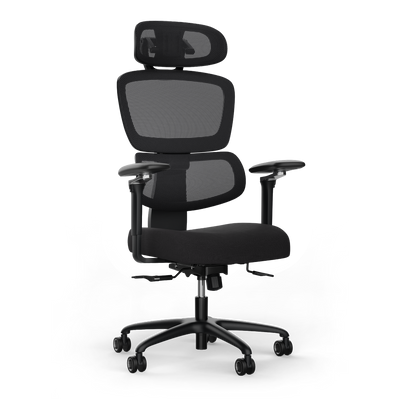
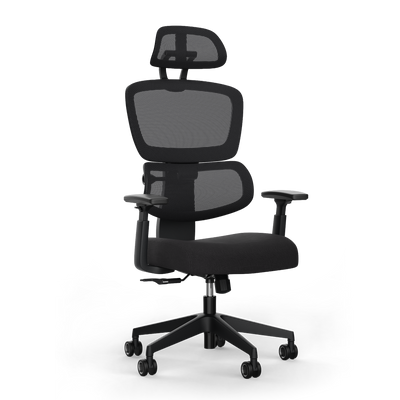
Equally important is the right office equipment: a height-adjustable desk and an individually adjustable ergonomic office chair enable optimal posture and frequent changes in posture. Make sure to arrange your monitor and work materials correctly: the top line of the screen should be approximately at eye level. Use the backrest of your office chair and keep your elbows roughly at desk/shoulder height to relieve strain on your neck and shoulders.
Note: If, despite exercises and ergonomic measures, neck pain persists for a longer period or becomes very severe, seek medical advice. In most cases, however, muscular neck pain can be managed well independently.
With regular neck exercises, movement, and an ergonomic work environment, you can effectively prevent neck tension and ensure a relaxed, pain-free neck.


